



The majority of HIV infections are sexually transmitted or are associated with pregnancy, childbirth and breastfeeding.
Our work links prevention with treatment, care and support, reduces HIV-related stigma and discrimination, and responds to unique regional and national characteristics of the epidemic.
Articles about HIV and STIs
01 December 2025
HIV, Crisis, and the Power to Transform: Lessons from Iran
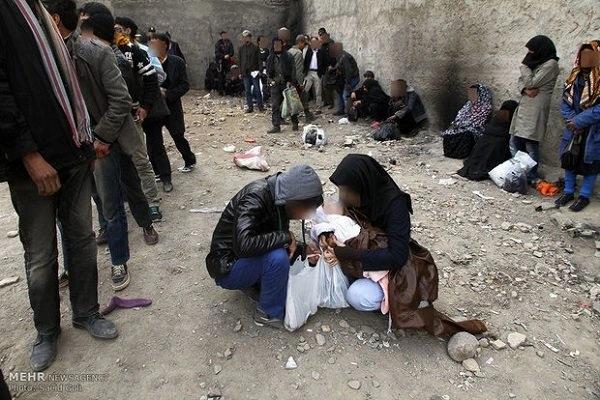
World AIDS Day 2025 arrives at a critical moment. UNAIDS' 2025 Global AIDS Update highlights that the global AIDS response today is shaped by inequality, discrimination, and political inaction as much as by biomedical progress. While treatment and prevention tools exist, the persistence of stigma and criminalization continues to fuel new infections. The South West Asia and North Africa (SWANA) region illustrates these contradictions well. HIV prevalence is relatively low but remains hidden, shaped by silence, moral judgment, and fear. UNAIDS' regional review emphasizes that by 2017, nearly two-thirds of new infections in SWANA occurred in Egypt, Iran, and Sudan, and that key populations face intense stigma, discrimination, and criminalization. In Iran, one of the countries with the highest HIV burden in West Asia, the epidemic has been rapidly evolving. For many Iranians, HIV among women entered public debate after the release of Tales (2014), a film that portrayed a young woman living with HIV after years of drug use, which faced criticisms about breaking the taboo of women using drugs and showing them on film. A Changing Epidemic: From Injection to Sexual Transmission UNAIDS warned in 2018 that extraordinary efforts were needed to improve testing and treatment programs in Iran due to rising infections and continued stigma. Historically, Iran's epidemic was driven by injecting drug use, with approximately 200,000 people injecting drugs nationally. Harm reduction programs, such as methadone maintenance, helped reduce transmission through shared needles. However, by 2024–2025, national data show substantial shifts. The total number of people living with HIV is around 40,000, with the gender distribution shifting from 81% men to 68% men, and from 19% women to 32% women. Since 1986, transmission routes have changed dramatically: sexual transmission now accounts for 65.2%, injecting drug use 10%, mother-to-child 0.7%, and unknown routes 24.1%. Iranian officials have publicly acknowledged that sexual transmission is now the most dominant transmission route. Women and Queer People at the Epicenter of Rising Infections Several studies reveal why infections among Iranian women have increased. Research indicates that women who inject drugs more often with partners and share equipment are more likely to exchange sex for drugs or money and experience difficulty negotiating condom use. A Tehran study of 256 at-risk women found that although most had high HIV knowledge, they still engaged in unprotected sex and had multiple partners because they did not perceive themselves to be vulnerable. Among female sex workers (FSWs), the pooled HIV prevalence is 1.52%, lower than the global estimate of 10–15%, yet researchers note that sex workers remain at high risk and require targeted monitoring and interventions. This low rate might also be due to the social and legal limitations that prevent sex workers being part of studies. Reproductive rights also play an important role. Nearly 46% of people living with HIV in Iran are between 25–34 years old, sexually active and in reproductive years. Many women living with HIV express strong desires for motherhood, despite fear, stigma, and systemic barriers. Research shows that pregnancy can be both a stabilizing hope and a site of anxiety for HIV-positive women, who often face discriminatory treatment during pregnancy and childbirth.
22 July 2025
HIV Aid Cuts Put Women Who Use Drugs and Gender Diverse People at Increased Risk
Earlier this year, the Trump administration announced that it would end the US Agency for International Development’s (USAID) funds to the Joint United Nations Programme on HIV/AIDS (UNAIDS). Funding cuts to the President’s Emergency Plan for AIDS Relief (PEPFAR) triggered a wider crisis in global HIV financing—with the Global Fund, a global partnership to end HIV, Tuberculosis and Malaria, struggling to fill the gap. These funding cuts threaten to reverse decades of progress in HIV prevention and treatment, especially for the most marginalised groups, who already lack access to inclusive and stigma-free services. South Asia: Years of Progress at Risk Across South Asia and the globe, vulnerable communities who are at an increased risk of HIV, including men who have sex with men (MSM), women and gender-diverse people who use drugs, and sex workers, now face a collapse of critical HIV services. “Women who use drugs were already a historically ignored group and will continue to remain one. The cuts have only made access to sexual and reproductive health services, and HIV prevention and treatment services, further difficult due to the heavy stigma associated with drug use. Access to harm reduction supplies such as clean needles and syringes, and opioid agonist treatments, such as buprenorphine and methadone is getting more and more scarce. Life-saving supplies like antiretroviral medication and condoms are routinely out of stock”, says Nandini Thapa, Coordinator of The Regional Collective of Women who use Drugs (TRCWUD), hosted at the IPPF South Asia Region (IPPF SAR). In South Asia, the impacts of the aid cuts have already started emerging.The Population Services and Training Centre (PSTC), IPPF SAR’s Associate Member in Bangladesh, provides HIV prevention and treatment services to people who use drugs with the support of a large international donor. However, the project is now operating under severe constraints - unable to procure equipment or scale-up services. According to PSTC’s latest estimates, if funding is halted, 21,148 beneficiaries will lose access to HIV prevention services, posing a serious risk of increased HIV infections in the country. Our community-led partner in Bangladesh is facing a similar challenge. Shale Ahmed, the Executive Director, says, “Our HIV interventions have long provided comprehensive support for gender-diverse populations. However, the recent aid cuts have deeply affected our ability to maintain these essential services, leading to over 26,000 individuals at risk of losing essential support services. We are also unable to address the recent rise in opportunistic infections (OIs) and life-threatening diseases, such as HPV, Hepatitis B and C.” The impact of shrinking international funding is especially stark in Nepal. Dristi Nepal, a pioneer organization in delivering services and advocating for the health and human rights of women who use drugs, is at risk of their services being scaled down or halted altogether. This can put an end to years of critical advocacy and programs, including essential sexual and reproductive health services, HIV prevention services, and mental health support to women and gender diverse people who use drugs in Nepal. Parina Subba Limbu, Founder of Dristi Nepal, notes, “Since the onset of COVID-19 and due to the recent wave of funding cuts, women who use drugs have become increasingly marginalised - both in service delivery and in advocacy spaces”.

30 March 2017
Japan Trust Fund
The Japan Trust Fund (JTF) represents a visionary partnership that began in 2000 between the Government of Japan and IPPF. Together, we invest in programmes that prioritize health equity, gender equality, and human security for all. Traditionally a driving force behind IPPF's efforts to support the integrated HIV prevention programmes of our Member Associations in Africa and Asia, JTF has adjusted to reflect changing global health priorities. We attach importance to universal access to sexual and reproductive health and rights - an essential contributor to universal health coverage and the global development goals. These projects have transformed the lives of people most vulnerable to HIV and high risk of maternal and child mortality. Equally, it ensures that as a donor, the GOJ’s response to HIV remains people-centred and contributes to human security.

07 February 2017
ACT!2030
IPPF collaborates with UNAIDS and The PACT to implement ACT!2030 (formerly ACT!2015), a youth-led social action initiative which engages young people in 12 countries with advocacy and accountability around the Sustainable Development Goals (SDGs) and other SRHR agreements/frameworks. ACT!2030 was initiated in 2013 as a way to increase youth participation in the negotiations leading up to the adoption of the post-2015 development agenda, and for two years focused on establishing alliances of youth-led and youth-serving organisations in 12 countries across the world. The project is currently in Phase 4, which runs until the end of 2017, and aims to establish youth-led, data-driven accountability mechanisms to ensure youth engagement with the implementation of the SDGs and build an evidence base for advocacy. Ultimately, Phase 4 of ACT!2030 seeks to identify, assess and address key policy barriers to young people’s sexual and reproductive data by using existing data, supplemented by youth-collected data, to advocate and lobby for policy change. This phase involves four main activities: indicator advocacy (persuading decision makers to adopt youth-friendly SRHR and HIV indicators, including on things like comprehensive sexuality education (CSE) and access to youth-friendly services, into national/global reporting mechanisms); evidence gathering (creating national databases on quality of and access to youth-friendly services and CSE); communications (transforming this data and evidence into communications pieces that can be used to advocacy and lobby at national and international level); and global exchange (facilitating global visibility to share advocacy and engagement learnings and increase youth-led accountability in global and regional processes). ACT!2030 is implemented by national alliances of youth organisations in 12 countries: Algeria, Bulgaria, India, Jamaica, Kenya, Mexico, Nigeria, Philippines, South Africa, Uganda, Zambia and Zimbabwe.
30 June 2016
Girls Decide
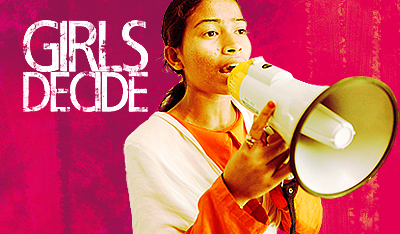
This programme addresses critical challenges faced by young women around sexual health and sexuality. It has produced a range of advocacy, education and informational materials to support research, awareness-raising, advocacy and service delivery. Girls Decide is about the sexual and reproductive health and rights of girls and young women. Around the world, girls aged 10 to 19 account for 23% of all disease associated with pregnancy and childbirth. An estimated 2.5 million have unsafe abortions every year. Worldwide, young women account for 60% of the 5.5 million young people living with HIV and/or AIDS. Girls Decide has produced a range of advocacy, education and informational materials to support work to improve sexual health and rights for girls and young women. These include a series of films on sexual and reproductive health decisions faced by 6 young women in 6 different countries. The films won the prestigious International Video and Communications Award (IVCA). When girls and young women have access to critical lifesaving services and information, and when they are able to make meaningful choices about their life path, they are empowered. Their quality of life improves, as does the well-being of their families and the communities in which they live. Their collective ability to achieve internationally agreed development goals is strengthened. Almost all IPPF Member Associations provide services to young people and 1 in every 3 clients is a young person below the age of 25. All young women and girls are rights-holders and are entitled to sexual and reproductive rights. As a matter of principle, the IPPF Secretariat and Member Associations stand by girls by respecting and fulfilling their right to high quality services; they stand up for girls by supporting them in making their own decisions related to sexuality and pregnancy; they stand for sexual and reproductive rights by addressing the challenges faced by young women and girls at local, national and international levels.

01 June 2016
People Living with HIV Stigma Index
The People Living with PLHIV Stigma Index documents how people have experienced HIV-related stigma and how they have been able to challenge and overcome stigma and discrimination relating to HIV. People living with HIV receive training in quantitative data collection, and implement the survey using a standard questionnaire which covers the following 10 areas: Experiences of stigma and discrimination and their causes Access to work and services Internal stigma Rights, laws and policies Effecting change HIV testing Disclosure and confidentiality Treatment Having children Problems and challenges for people living with HIV The People Living with HIV Stigma Index puts the principle of the greater involvement of people living with HIV and AIDS (GIPA) into practice, the research is driven by people living with HIV and their networks and provides them with evidence and opportunity to address challenges in their communities and catalyze change. The findings are instrumental in increasing collective understandings of stigma and discrimination, and detecting changes and trends over time. The evidence has shaped future programmatic interventions by revealing areas of need and gaps in existing programming. The People Living with HIV Stigma Index is a powerful advocacy tool which will influence policy and support the collective goal of governments, NGOs and activists to reduce stigma and discrimination related to HIV. The People Living with HIV Stigma Index has been rolled out in more than 40 countries, where it has been a catalyst for fostering change. Each country is different, from the number of people interviewed to the composition of responses from different group (such as men who have sex with men, sex workers, injecting drug users and other key populations). The People Living with HIV Stigma Index was developed and pioneered by a partnership between the International Planned Parenthood Federation (IPPF) and the Global Network of People Living with HIV(GNP+), the International Community of Women Living with HIV (ICW) and the Joint United Nations Programme on HIV/AIDS (UNAIDS).

30 May 2016
Integra Initiative
Integra is a 5-year research initiative in Kenya, Malawi and Swaziland. It aims to reduce HIV infection, HIV-related stigma and unintended pregnancy. IPPF implements the Integra Initiative with support from the Bill and Melinda Gates Foundation and in collaboration with the London School of Hygiene and Tropical Medicine and the Population Council.
01 December 2025
HIV, Crisis, and the Power to Transform: Lessons from Iran
World AIDS Day 2025 arrives at a critical moment. UNAIDS' 2025 Global AIDS Update highlights that the global AIDS response today is shaped by inequality, discrimination, and political inaction as much as by biomedical progress. While treatment and prevention tools exist, the persistence of stigma and criminalization continues to fuel new infections. The South West Asia and North Africa (SWANA) region illustrates these contradictions well. HIV prevalence is relatively low but remains hidden, shaped by silence, moral judgment, and fear. UNAIDS' regional review emphasizes that by 2017, nearly two-thirds of new infections in SWANA occurred in Egypt, Iran, and Sudan, and that key populations face intense stigma, discrimination, and criminalization. In Iran, one of the countries with the highest HIV burden in West Asia, the epidemic has been rapidly evolving. For many Iranians, HIV among women entered public debate after the release of Tales (2014), a film that portrayed a young woman living with HIV after years of drug use, which faced criticisms about breaking the taboo of women using drugs and showing them on film. A Changing Epidemic: From Injection to Sexual Transmission UNAIDS warned in 2018 that extraordinary efforts were needed to improve testing and treatment programs in Iran due to rising infections and continued stigma. Historically, Iran's epidemic was driven by injecting drug use, with approximately 200,000 people injecting drugs nationally. Harm reduction programs, such as methadone maintenance, helped reduce transmission through shared needles. However, by 2024–2025, national data show substantial shifts. The total number of people living with HIV is around 40,000, with the gender distribution shifting from 81% men to 68% men, and from 19% women to 32% women. Since 1986, transmission routes have changed dramatically: sexual transmission now accounts for 65.2%, injecting drug use 10%, mother-to-child 0.7%, and unknown routes 24.1%. Iranian officials have publicly acknowledged that sexual transmission is now the most dominant transmission route. Women and Queer People at the Epicenter of Rising Infections Several studies reveal why infections among Iranian women have increased. Research indicates that women who inject drugs more often with partners and share equipment are more likely to exchange sex for drugs or money and experience difficulty negotiating condom use. A Tehran study of 256 at-risk women found that although most had high HIV knowledge, they still engaged in unprotected sex and had multiple partners because they did not perceive themselves to be vulnerable. Among female sex workers (FSWs), the pooled HIV prevalence is 1.52%, lower than the global estimate of 10–15%, yet researchers note that sex workers remain at high risk and require targeted monitoring and interventions. This low rate might also be due to the social and legal limitations that prevent sex workers being part of studies. Reproductive rights also play an important role. Nearly 46% of people living with HIV in Iran are between 25–34 years old, sexually active and in reproductive years. Many women living with HIV express strong desires for motherhood, despite fear, stigma, and systemic barriers. Research shows that pregnancy can be both a stabilizing hope and a site of anxiety for HIV-positive women, who often face discriminatory treatment during pregnancy and childbirth.
22 July 2025
HIV Aid Cuts Put Women Who Use Drugs and Gender Diverse People at Increased Risk
Earlier this year, the Trump administration announced that it would end the US Agency for International Development’s (USAID) funds to the Joint United Nations Programme on HIV/AIDS (UNAIDS). Funding cuts to the President’s Emergency Plan for AIDS Relief (PEPFAR) triggered a wider crisis in global HIV financing—with the Global Fund, a global partnership to end HIV, Tuberculosis and Malaria, struggling to fill the gap. These funding cuts threaten to reverse decades of progress in HIV prevention and treatment, especially for the most marginalised groups, who already lack access to inclusive and stigma-free services. South Asia: Years of Progress at Risk Across South Asia and the globe, vulnerable communities who are at an increased risk of HIV, including men who have sex with men (MSM), women and gender-diverse people who use drugs, and sex workers, now face a collapse of critical HIV services. “Women who use drugs were already a historically ignored group and will continue to remain one. The cuts have only made access to sexual and reproductive health services, and HIV prevention and treatment services, further difficult due to the heavy stigma associated with drug use. Access to harm reduction supplies such as clean needles and syringes, and opioid agonist treatments, such as buprenorphine and methadone is getting more and more scarce. Life-saving supplies like antiretroviral medication and condoms are routinely out of stock”, says Nandini Thapa, Coordinator of The Regional Collective of Women who use Drugs (TRCWUD), hosted at the IPPF South Asia Region (IPPF SAR). In South Asia, the impacts of the aid cuts have already started emerging.The Population Services and Training Centre (PSTC), IPPF SAR’s Associate Member in Bangladesh, provides HIV prevention and treatment services to people who use drugs with the support of a large international donor. However, the project is now operating under severe constraints - unable to procure equipment or scale-up services. According to PSTC’s latest estimates, if funding is halted, 21,148 beneficiaries will lose access to HIV prevention services, posing a serious risk of increased HIV infections in the country. Our community-led partner in Bangladesh is facing a similar challenge. Shale Ahmed, the Executive Director, says, “Our HIV interventions have long provided comprehensive support for gender-diverse populations. However, the recent aid cuts have deeply affected our ability to maintain these essential services, leading to over 26,000 individuals at risk of losing essential support services. We are also unable to address the recent rise in opportunistic infections (OIs) and life-threatening diseases, such as HPV, Hepatitis B and C.” The impact of shrinking international funding is especially stark in Nepal. Dristi Nepal, a pioneer organization in delivering services and advocating for the health and human rights of women who use drugs, is at risk of their services being scaled down or halted altogether. This can put an end to years of critical advocacy and programs, including essential sexual and reproductive health services, HIV prevention services, and mental health support to women and gender diverse people who use drugs in Nepal. Parina Subba Limbu, Founder of Dristi Nepal, notes, “Since the onset of COVID-19 and due to the recent wave of funding cuts, women who use drugs have become increasingly marginalised - both in service delivery and in advocacy spaces”.
30 March 2017
Japan Trust Fund
The Japan Trust Fund (JTF) represents a visionary partnership that began in 2000 between the Government of Japan and IPPF. Together, we invest in programmes that prioritize health equity, gender equality, and human security for all. Traditionally a driving force behind IPPF's efforts to support the integrated HIV prevention programmes of our Member Associations in Africa and Asia, JTF has adjusted to reflect changing global health priorities. We attach importance to universal access to sexual and reproductive health and rights - an essential contributor to universal health coverage and the global development goals. These projects have transformed the lives of people most vulnerable to HIV and high risk of maternal and child mortality. Equally, it ensures that as a donor, the GOJ’s response to HIV remains people-centred and contributes to human security.
07 February 2017
ACT!2030
IPPF collaborates with UNAIDS and The PACT to implement ACT!2030 (formerly ACT!2015), a youth-led social action initiative which engages young people in 12 countries with advocacy and accountability around the Sustainable Development Goals (SDGs) and other SRHR agreements/frameworks. ACT!2030 was initiated in 2013 as a way to increase youth participation in the negotiations leading up to the adoption of the post-2015 development agenda, and for two years focused on establishing alliances of youth-led and youth-serving organisations in 12 countries across the world. The project is currently in Phase 4, which runs until the end of 2017, and aims to establish youth-led, data-driven accountability mechanisms to ensure youth engagement with the implementation of the SDGs and build an evidence base for advocacy. Ultimately, Phase 4 of ACT!2030 seeks to identify, assess and address key policy barriers to young people’s sexual and reproductive data by using existing data, supplemented by youth-collected data, to advocate and lobby for policy change. This phase involves four main activities: indicator advocacy (persuading decision makers to adopt youth-friendly SRHR and HIV indicators, including on things like comprehensive sexuality education (CSE) and access to youth-friendly services, into national/global reporting mechanisms); evidence gathering (creating national databases on quality of and access to youth-friendly services and CSE); communications (transforming this data and evidence into communications pieces that can be used to advocacy and lobby at national and international level); and global exchange (facilitating global visibility to share advocacy and engagement learnings and increase youth-led accountability in global and regional processes). ACT!2030 is implemented by national alliances of youth organisations in 12 countries: Algeria, Bulgaria, India, Jamaica, Kenya, Mexico, Nigeria, Philippines, South Africa, Uganda, Zambia and Zimbabwe.
30 June 2016
Girls Decide
This programme addresses critical challenges faced by young women around sexual health and sexuality. It has produced a range of advocacy, education and informational materials to support research, awareness-raising, advocacy and service delivery. Girls Decide is about the sexual and reproductive health and rights of girls and young women. Around the world, girls aged 10 to 19 account for 23% of all disease associated with pregnancy and childbirth. An estimated 2.5 million have unsafe abortions every year. Worldwide, young women account for 60% of the 5.5 million young people living with HIV and/or AIDS. Girls Decide has produced a range of advocacy, education and informational materials to support work to improve sexual health and rights for girls and young women. These include a series of films on sexual and reproductive health decisions faced by 6 young women in 6 different countries. The films won the prestigious International Video and Communications Award (IVCA). When girls and young women have access to critical lifesaving services and information, and when they are able to make meaningful choices about their life path, they are empowered. Their quality of life improves, as does the well-being of their families and the communities in which they live. Their collective ability to achieve internationally agreed development goals is strengthened. Almost all IPPF Member Associations provide services to young people and 1 in every 3 clients is a young person below the age of 25. All young women and girls are rights-holders and are entitled to sexual and reproductive rights. As a matter of principle, the IPPF Secretariat and Member Associations stand by girls by respecting and fulfilling their right to high quality services; they stand up for girls by supporting them in making their own decisions related to sexuality and pregnancy; they stand for sexual and reproductive rights by addressing the challenges faced by young women and girls at local, national and international levels.
01 June 2016
People Living with HIV Stigma Index
The People Living with PLHIV Stigma Index documents how people have experienced HIV-related stigma and how they have been able to challenge and overcome stigma and discrimination relating to HIV. People living with HIV receive training in quantitative data collection, and implement the survey using a standard questionnaire which covers the following 10 areas: Experiences of stigma and discrimination and their causes Access to work and services Internal stigma Rights, laws and policies Effecting change HIV testing Disclosure and confidentiality Treatment Having children Problems and challenges for people living with HIV The People Living with HIV Stigma Index puts the principle of the greater involvement of people living with HIV and AIDS (GIPA) into practice, the research is driven by people living with HIV and their networks and provides them with evidence and opportunity to address challenges in their communities and catalyze change. The findings are instrumental in increasing collective understandings of stigma and discrimination, and detecting changes and trends over time. The evidence has shaped future programmatic interventions by revealing areas of need and gaps in existing programming. The People Living with HIV Stigma Index is a powerful advocacy tool which will influence policy and support the collective goal of governments, NGOs and activists to reduce stigma and discrimination related to HIV. The People Living with HIV Stigma Index has been rolled out in more than 40 countries, where it has been a catalyst for fostering change. Each country is different, from the number of people interviewed to the composition of responses from different group (such as men who have sex with men, sex workers, injecting drug users and other key populations). The People Living with HIV Stigma Index was developed and pioneered by a partnership between the International Planned Parenthood Federation (IPPF) and the Global Network of People Living with HIV(GNP+), the International Community of Women Living with HIV (ICW) and the Joint United Nations Programme on HIV/AIDS (UNAIDS).
30 May 2016
Integra Initiative
Integra is a 5-year research initiative in Kenya, Malawi and Swaziland. It aims to reduce HIV infection, HIV-related stigma and unintended pregnancy. IPPF implements the Integra Initiative with support from the Bill and Melinda Gates Foundation and in collaboration with the London School of Hygiene and Tropical Medicine and the Population Council.