



Most Popular This Week

News item
|
Statement on women and girls barred from medical education in Afghanistan
NEWS ALERT : On December 2,2024 the Taliban issued an order forbidding women and girls from attending medical institutions including nursing and midwifery training in Afghanistan.

News item
|
India Supreme Court Legalises Safe Abortion - Irrespective of Marital Status
We welcome the Indian Supreme Court’s landmark ruling that all women, irrespective of their marital status, are entitled to safe and legal abortion.
Filter our news by:

news item
| 05 February 2026
Statement on Landmark Judgement Affirming Menstrual Health as a Fundamental Right in India
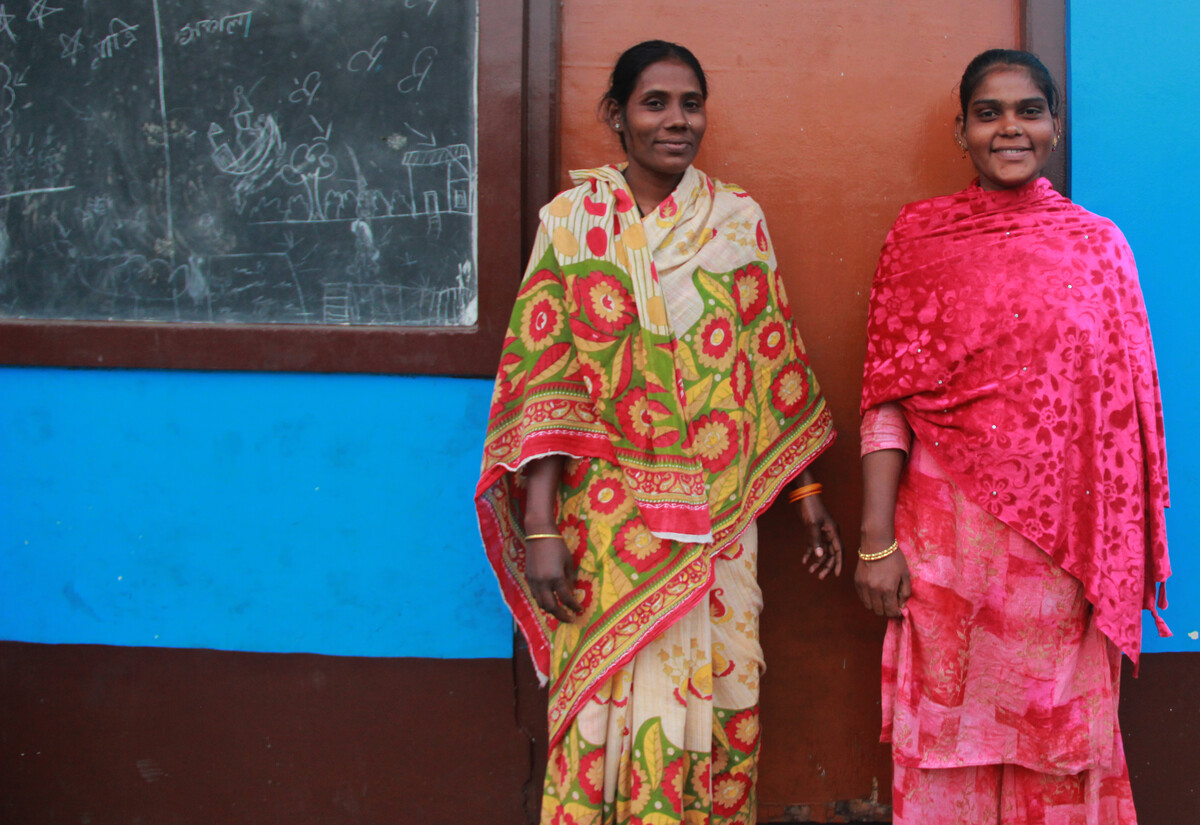
The International Planned Parenthood Federation - South Asia Region, welcomes the Indian Supreme Court's landmark judgment affirming menstrual health as an integral part of the right to life and dignity under Article 21 of the Indian Constitution. Observing that the lack of access to safe and affordable menstrual hygiene management (MHM) measures can lead to absenteeism, school dropouts, and exclusion, the apex court directed states to ensure every school provides sanitary napkins with functional gender-segregated toilets and water facilities. We celebrate the Court’s decision on gender-responsive curricula on menstruation, puberty and other health concerns being incorporated in schools, and educators being trained and sensitized to support menstruating students. “This judgment presents a significant opportunity to challenge period poverty in India. It is a crucial step towards gender justice and puts dignity of people of menstruate at the centre. However, it must extend beyond schools to reach every person who menstruates: at workplaces, to rural communities, trans men, persons with disabilities and other marginalized groups. As such, the directive on gender-responsive curricula should be strengthened through the integration of age-appropriate, inclusive Comprehensive Sexuality Education (CSE)”, says Dr Kalpana Apte, Director-General of the Family Planning Association of India (FPA India), IPPF’s Member Association in India. FPA India reaches out to young people with information, counselling and youth friendly sexual and reproductive health (SRH) services, including information on menstrual health and hygiene. “We work with young people to ensure menstruation is understood as a biological process rather than a source of shame or exclusion”, adds Dr Apte. Across South Asia, menstruation remains stigmatized. From the persistence of Chhaupadi practices in Nepal that banish menstruating women to isolated huts, to the menstrual health crisis in garment factories in Bangladesh, menstrual stigma and the lack of menstrual hygiene management facilities is a common thread. “India's Supreme Court has now provided a powerful legal framework that can inspire and inform advocacy efforts throughout the region. By recognising menstrual health as a matter of dignity, privacy and bodily autonomy, the judgement opens space for future conversations on sexual and reproductive health and rights across the life course” adds Tomoko Fukuda, Regional Director (Interim), IPPF South Asia Region.
news_item
| 05 February 2026
Statement on Landmark Judgement Affirming Menstrual Health as a Fundamental Right in India
The International Planned Parenthood Federation - South Asia Region, welcomes the Indian Supreme Court's landmark judgment affirming menstrual health as an integral part of the right to life and dignity under Article 21 of the Indian Constitution. Observing that the lack of access to safe and affordable menstrual hygiene management (MHM) measures can lead to absenteeism, school dropouts, and exclusion, the apex court directed states to ensure every school provides sanitary napkins with functional gender-segregated toilets and water facilities. We celebrate the Court’s decision on gender-responsive curricula on menstruation, puberty and other health concerns being incorporated in schools, and educators being trained and sensitized to support menstruating students. “This judgment presents a significant opportunity to challenge period poverty in India. It is a crucial step towards gender justice and puts dignity of people of menstruate at the centre. However, it must extend beyond schools to reach every person who menstruates: at workplaces, to rural communities, trans men, persons with disabilities and other marginalized groups. As such, the directive on gender-responsive curricula should be strengthened through the integration of age-appropriate, inclusive Comprehensive Sexuality Education (CSE)”, says Dr Kalpana Apte, Director-General of the Family Planning Association of India (FPA India), IPPF’s Member Association in India. FPA India reaches out to young people with information, counselling and youth friendly sexual and reproductive health (SRH) services, including information on menstrual health and hygiene. “We work with young people to ensure menstruation is understood as a biological process rather than a source of shame or exclusion”, adds Dr Apte. Across South Asia, menstruation remains stigmatized. From the persistence of Chhaupadi practices in Nepal that banish menstruating women to isolated huts, to the menstrual health crisis in garment factories in Bangladesh, menstrual stigma and the lack of menstrual hygiene management facilities is a common thread. “India's Supreme Court has now provided a powerful legal framework that can inspire and inform advocacy efforts throughout the region. By recognising menstrual health as a matter of dignity, privacy and bodily autonomy, the judgement opens space for future conversations on sexual and reproductive health and rights across the life course” adds Tomoko Fukuda, Regional Director (Interim), IPPF South Asia Region.

news item
| 19 September 2025
Statement on the Internet Ban in Northern Afghanistan by the Taliban
News Alert: The International Planned Parenthood Federation (IPPF) strongly condemns the Taliban's decision to ban fibre-optic internet services in the northern provinces of Kunduz, Badakhshan, Baghlan, Takhar and Balkh in Afghanistan, under the pretext of "preventing immorality." This step is part of a wider pattern of restrictions that systemically erode the human rights and freedoms of the Afghan people, especially women and girls. The internet is a lifeline for Afghan women and girls whose rights and mobility are severely restricted under the Taliban regime. The literacy rate for women in Afghanistan is among the lowest in the world. They face systematic exclusion from education, employment, and public life, and the internet ban will only further isolate women and girls from online education platforms, access to vital health guidance, including reproductive health information, and peer and community support networks. These actions will also disproportionately target the most marginalized people and Afghan human rights defenders. Such actions violate Afghanistan’s treaty obligations under international human rights law, including the rights to information, education, health, and participation in public life. We call upon the Taliban to immediately restore internet services and end all discriminatory restrictions against women and girls. We will keep supporting the voices of Afghan women and human rights defenders who continue to fight for freedom. The Afghan people’s right to information, health, and participation in public life cannot be compromised under any justification. We call upon our international community and partners to support us in protesting the ban. We must come together to ensure the fundamental human rights of Afghan women and girls to access to education and information is protected and restored.
news_item
| 19 September 2025
Statement on the Internet Ban in Northern Afghanistan by the Taliban
News Alert: The International Planned Parenthood Federation (IPPF) strongly condemns the Taliban's decision to ban fibre-optic internet services in the northern provinces of Kunduz, Badakhshan, Baghlan, Takhar and Balkh in Afghanistan, under the pretext of "preventing immorality." This step is part of a wider pattern of restrictions that systemically erode the human rights and freedoms of the Afghan people, especially women and girls. The internet is a lifeline for Afghan women and girls whose rights and mobility are severely restricted under the Taliban regime. The literacy rate for women in Afghanistan is among the lowest in the world. They face systematic exclusion from education, employment, and public life, and the internet ban will only further isolate women and girls from online education platforms, access to vital health guidance, including reproductive health information, and peer and community support networks. These actions will also disproportionately target the most marginalized people and Afghan human rights defenders. Such actions violate Afghanistan’s treaty obligations under international human rights law, including the rights to information, education, health, and participation in public life. We call upon the Taliban to immediately restore internet services and end all discriminatory restrictions against women and girls. We will keep supporting the voices of Afghan women and human rights defenders who continue to fight for freedom. The Afghan people’s right to information, health, and participation in public life cannot be compromised under any justification. We call upon our international community and partners to support us in protesting the ban. We must come together to ensure the fundamental human rights of Afghan women and girls to access to education and information is protected and restored.

news item
| 11 December 2024
Statement on women and girls barred from medical education in Afghanistan
NEWS ALERT : On December 2,2024 the Taliban issued an order forbidding women and girls from attending medical institutions including nursing and midwifery training in Afghanistan. This announcement comes as the final blow in a series of discriminatory bans that curtail freedoms and restrict access of Afghan women and girls to public life. Over the last three years, Afghan girls have been stopped from attending secondary school beyond sixth grade denying them representation and erasing their voices and agency. As of December 5, 2024, the literacy rate for women in Afghanistan is among the lowest in the world, at only 20.6%[1] and the maternal mortality ratio is one of the highest globally at 638 per 100,000 live births.[2] In many provinces, Afghan women are only allowed to seek medical care from female healthcare providers who have proved to be a lifeline amid the protracted crisis. The ban effectively excludes half the population from contributing to and benefiting from the healthcare system, placing the lives of countless women and girls at grave risk. The violence women and girls in Afghanistan face is structural and systematic. The situation is alarming as we continue to monitor the consequences the decision will have on the health, rights and dignity of all Afghan women and girls. It poses a serious threat to the well-being of an entire nation with poor overall adult literacy rates and suffering critical healthcare shortages. We stand firmly in solidarity with all Afghan women and girls as we call for immediate reversal of this order and an end to the systemic attacks on their rights. We will not back down as we continue to provide essential life-saving services and to support the voices of Afghan women and human rights defenders who continue to fight for freedom.
news_item
| 11 December 2024
Statement on women and girls barred from medical education in Afghanistan
NEWS ALERT : On December 2,2024 the Taliban issued an order forbidding women and girls from attending medical institutions including nursing and midwifery training in Afghanistan. This announcement comes as the final blow in a series of discriminatory bans that curtail freedoms and restrict access of Afghan women and girls to public life. Over the last three years, Afghan girls have been stopped from attending secondary school beyond sixth grade denying them representation and erasing their voices and agency. As of December 5, 2024, the literacy rate for women in Afghanistan is among the lowest in the world, at only 20.6%[1] and the maternal mortality ratio is one of the highest globally at 638 per 100,000 live births.[2] In many provinces, Afghan women are only allowed to seek medical care from female healthcare providers who have proved to be a lifeline amid the protracted crisis. The ban effectively excludes half the population from contributing to and benefiting from the healthcare system, placing the lives of countless women and girls at grave risk. The violence women and girls in Afghanistan face is structural and systematic. The situation is alarming as we continue to monitor the consequences the decision will have on the health, rights and dignity of all Afghan women and girls. It poses a serious threat to the well-being of an entire nation with poor overall adult literacy rates and suffering critical healthcare shortages. We stand firmly in solidarity with all Afghan women and girls as we call for immediate reversal of this order and an end to the systemic attacks on their rights. We will not back down as we continue to provide essential life-saving services and to support the voices of Afghan women and human rights defenders who continue to fight for freedom.
news item
| 27 December 2022
Responding with Essential Sexual and Reproductive Health and Rights : RESPOND Annual Report 2022
news_item
| 27 December 2022
Responding with Essential Sexual and Reproductive Health and Rights : RESPOND Annual Report 2022

news item
| 10 October 2022
IPPF saddened by the death of young Masha ‘Jhina’ Amini
IPPF Statement, Tuesday 10th October 2022 On Tuesday, 20th September 2022, Iranian “morality” police detained 22-year-old Mahsa “Jhina” Amini outside a metro station in Tehran for apparently “violating” the mandatory hijab laws that have been in place since Iran’s Islamic revolution in 1983. On Friday, 23rd September, just three days after being taken into police custody, Amini died in the intensive care unit of an Iranian hospital. Sonal Mehta, South Asia Regional Director at International Planned Parenthood Federation, said: “We are pained by the tragic death of young Masha Amini and offer our condolences to her loved ones. We stand in solidarity with thousands of women in Iran, risking their lives on the streets, demanding a fair probe and equal rights. Controlling a woman’s economic, sexual, reproductive, political, or cultural choice is a form of gender-based violence. The fight for a world free from discrimination is far from over. The continued assault on women’s right to freedom of expression, religion, privacy, travel, education, and much more is just one part of the broader attack on gender equality that we are seeing gaining ground across the globe.” -Ends- About the International Planned Parenthood Federation The International Planned Parenthood Federation (IPPF) is a global service provider and advocate of sexual and reproductive health and rights for all. For over 65 years, IPPF through its 118 Member Associations and 15 partners, has delivered high-quality sexual and reproductive healthcare and helped advance sexual rights, especially for people with intersectional and diverse needs that are currently unmet. Our Member Associations and partners are independent organizations that are locally owned, which means the support and care they provide is informed by local expertise and context. We advocate for a world where people are provided with the information, they need to make informed decisions about their sexual health and bodies. We stand up and fight for sexual and reproductive rights, and against those who seek to deny people their human right to bodily autonomy and freedom. We deliver care that is rooted in rights, respect, and dignity - no matter what.
news_item
| 10 October 2022
IPPF saddened by the death of young Masha ‘Jhina’ Amini
IPPF Statement, Tuesday 10th October 2022 On Tuesday, 20th September 2022, Iranian “morality” police detained 22-year-old Mahsa “Jhina” Amini outside a metro station in Tehran for apparently “violating” the mandatory hijab laws that have been in place since Iran’s Islamic revolution in 1983. On Friday, 23rd September, just three days after being taken into police custody, Amini died in the intensive care unit of an Iranian hospital. Sonal Mehta, South Asia Regional Director at International Planned Parenthood Federation, said: “We are pained by the tragic death of young Masha Amini and offer our condolences to her loved ones. We stand in solidarity with thousands of women in Iran, risking their lives on the streets, demanding a fair probe and equal rights. Controlling a woman’s economic, sexual, reproductive, political, or cultural choice is a form of gender-based violence. The fight for a world free from discrimination is far from over. The continued assault on women’s right to freedom of expression, religion, privacy, travel, education, and much more is just one part of the broader attack on gender equality that we are seeing gaining ground across the globe.” -Ends- About the International Planned Parenthood Federation The International Planned Parenthood Federation (IPPF) is a global service provider and advocate of sexual and reproductive health and rights for all. For over 65 years, IPPF through its 118 Member Associations and 15 partners, has delivered high-quality sexual and reproductive healthcare and helped advance sexual rights, especially for people with intersectional and diverse needs that are currently unmet. Our Member Associations and partners are independent organizations that are locally owned, which means the support and care they provide is informed by local expertise and context. We advocate for a world where people are provided with the information, they need to make informed decisions about their sexual health and bodies. We stand up and fight for sexual and reproductive rights, and against those who seek to deny people their human right to bodily autonomy and freedom. We deliver care that is rooted in rights, respect, and dignity - no matter what.

news item
| 29 September 2022
India Supreme Court Legalises Safe Abortion - Irrespective of Marital Status
We welcome the Indian Supreme Court’s landmark ruling that all women, irrespective of their marital status, are entitled to safe and legal abortion. The Supreme Court observed that the 2021 amendment to the Medical Termination of Pregnancy Act (MTP) does not make a distinction between married and unmarried woman. “The rights of reproductive autonomy give an unmarried women similar right as a married woman… The foetus relies on the woman's body to sustain. Therefore, the decision to terminate is firmly rooted in their right of bodily autonomy. If the State forces a woman to carry an unwanted pregnancy to the full term, it will amount to an affront to her dignity,” the court said, as per the media reports. The court, also for the first time in legal parlance recognised marital rape, under rape, for the specific purpose of the MTP. “We celebrate Supreme Court of India’s ruling, which rightly underlines the bodily autonomy of all women to make decisions about their bodies without any prejudice or pressure. It upholds the right to access quality abortion services to unmarried women and survivors of marital rape. The ruling paves the way for strengthening the current abortion care guideline in the country to include the scope for abortion self-care which centers around autonomy, privacy, and confidentiality. Health service providers like us must dauntlessly work together to leverage this landmark judgment and ensure that no woman in India dies due to unsafe abortions,” said Sonal Mehta, Regional Director IPPF SARO. Read more on the court's ruling here.
news_item
| 29 September 2022
India Supreme Court Legalises Safe Abortion - Irrespective of Marital Status
We welcome the Indian Supreme Court’s landmark ruling that all women, irrespective of their marital status, are entitled to safe and legal abortion. The Supreme Court observed that the 2021 amendment to the Medical Termination of Pregnancy Act (MTP) does not make a distinction between married and unmarried woman. “The rights of reproductive autonomy give an unmarried women similar right as a married woman… The foetus relies on the woman's body to sustain. Therefore, the decision to terminate is firmly rooted in their right of bodily autonomy. If the State forces a woman to carry an unwanted pregnancy to the full term, it will amount to an affront to her dignity,” the court said, as per the media reports. The court, also for the first time in legal parlance recognised marital rape, under rape, for the specific purpose of the MTP. “We celebrate Supreme Court of India’s ruling, which rightly underlines the bodily autonomy of all women to make decisions about their bodies without any prejudice or pressure. It upholds the right to access quality abortion services to unmarried women and survivors of marital rape. The ruling paves the way for strengthening the current abortion care guideline in the country to include the scope for abortion self-care which centers around autonomy, privacy, and confidentiality. Health service providers like us must dauntlessly work together to leverage this landmark judgment and ensure that no woman in India dies due to unsafe abortions,” said Sonal Mehta, Regional Director IPPF SARO. Read more on the court's ruling here.
news item
| 05 February 2026
Statement on Landmark Judgement Affirming Menstrual Health as a Fundamental Right in India
The International Planned Parenthood Federation - South Asia Region, welcomes the Indian Supreme Court's landmark judgment affirming menstrual health as an integral part of the right to life and dignity under Article 21 of the Indian Constitution. Observing that the lack of access to safe and affordable menstrual hygiene management (MHM) measures can lead to absenteeism, school dropouts, and exclusion, the apex court directed states to ensure every school provides sanitary napkins with functional gender-segregated toilets and water facilities. We celebrate the Court’s decision on gender-responsive curricula on menstruation, puberty and other health concerns being incorporated in schools, and educators being trained and sensitized to support menstruating students. “This judgment presents a significant opportunity to challenge period poverty in India. It is a crucial step towards gender justice and puts dignity of people of menstruate at the centre. However, it must extend beyond schools to reach every person who menstruates: at workplaces, to rural communities, trans men, persons with disabilities and other marginalized groups. As such, the directive on gender-responsive curricula should be strengthened through the integration of age-appropriate, inclusive Comprehensive Sexuality Education (CSE)”, says Dr Kalpana Apte, Director-General of the Family Planning Association of India (FPA India), IPPF’s Member Association in India. FPA India reaches out to young people with information, counselling and youth friendly sexual and reproductive health (SRH) services, including information on menstrual health and hygiene. “We work with young people to ensure menstruation is understood as a biological process rather than a source of shame or exclusion”, adds Dr Apte. Across South Asia, menstruation remains stigmatized. From the persistence of Chhaupadi practices in Nepal that banish menstruating women to isolated huts, to the menstrual health crisis in garment factories in Bangladesh, menstrual stigma and the lack of menstrual hygiene management facilities is a common thread. “India's Supreme Court has now provided a powerful legal framework that can inspire and inform advocacy efforts throughout the region. By recognising menstrual health as a matter of dignity, privacy and bodily autonomy, the judgement opens space for future conversations on sexual and reproductive health and rights across the life course” adds Tomoko Fukuda, Regional Director (Interim), IPPF South Asia Region.
news_item
| 05 February 2026
Statement on Landmark Judgement Affirming Menstrual Health as a Fundamental Right in India
The International Planned Parenthood Federation - South Asia Region, welcomes the Indian Supreme Court's landmark judgment affirming menstrual health as an integral part of the right to life and dignity under Article 21 of the Indian Constitution. Observing that the lack of access to safe and affordable menstrual hygiene management (MHM) measures can lead to absenteeism, school dropouts, and exclusion, the apex court directed states to ensure every school provides sanitary napkins with functional gender-segregated toilets and water facilities. We celebrate the Court’s decision on gender-responsive curricula on menstruation, puberty and other health concerns being incorporated in schools, and educators being trained and sensitized to support menstruating students. “This judgment presents a significant opportunity to challenge period poverty in India. It is a crucial step towards gender justice and puts dignity of people of menstruate at the centre. However, it must extend beyond schools to reach every person who menstruates: at workplaces, to rural communities, trans men, persons with disabilities and other marginalized groups. As such, the directive on gender-responsive curricula should be strengthened through the integration of age-appropriate, inclusive Comprehensive Sexuality Education (CSE)”, says Dr Kalpana Apte, Director-General of the Family Planning Association of India (FPA India), IPPF’s Member Association in India. FPA India reaches out to young people with information, counselling and youth friendly sexual and reproductive health (SRH) services, including information on menstrual health and hygiene. “We work with young people to ensure menstruation is understood as a biological process rather than a source of shame or exclusion”, adds Dr Apte. Across South Asia, menstruation remains stigmatized. From the persistence of Chhaupadi practices in Nepal that banish menstruating women to isolated huts, to the menstrual health crisis in garment factories in Bangladesh, menstrual stigma and the lack of menstrual hygiene management facilities is a common thread. “India's Supreme Court has now provided a powerful legal framework that can inspire and inform advocacy efforts throughout the region. By recognising menstrual health as a matter of dignity, privacy and bodily autonomy, the judgement opens space for future conversations on sexual and reproductive health and rights across the life course” adds Tomoko Fukuda, Regional Director (Interim), IPPF South Asia Region.
news item
| 19 September 2025
Statement on the Internet Ban in Northern Afghanistan by the Taliban
News Alert: The International Planned Parenthood Federation (IPPF) strongly condemns the Taliban's decision to ban fibre-optic internet services in the northern provinces of Kunduz, Badakhshan, Baghlan, Takhar and Balkh in Afghanistan, under the pretext of "preventing immorality." This step is part of a wider pattern of restrictions that systemically erode the human rights and freedoms of the Afghan people, especially women and girls. The internet is a lifeline for Afghan women and girls whose rights and mobility are severely restricted under the Taliban regime. The literacy rate for women in Afghanistan is among the lowest in the world. They face systematic exclusion from education, employment, and public life, and the internet ban will only further isolate women and girls from online education platforms, access to vital health guidance, including reproductive health information, and peer and community support networks. These actions will also disproportionately target the most marginalized people and Afghan human rights defenders. Such actions violate Afghanistan’s treaty obligations under international human rights law, including the rights to information, education, health, and participation in public life. We call upon the Taliban to immediately restore internet services and end all discriminatory restrictions against women and girls. We will keep supporting the voices of Afghan women and human rights defenders who continue to fight for freedom. The Afghan people’s right to information, health, and participation in public life cannot be compromised under any justification. We call upon our international community and partners to support us in protesting the ban. We must come together to ensure the fundamental human rights of Afghan women and girls to access to education and information is protected and restored.
news_item
| 19 September 2025
Statement on the Internet Ban in Northern Afghanistan by the Taliban
News Alert: The International Planned Parenthood Federation (IPPF) strongly condemns the Taliban's decision to ban fibre-optic internet services in the northern provinces of Kunduz, Badakhshan, Baghlan, Takhar and Balkh in Afghanistan, under the pretext of "preventing immorality." This step is part of a wider pattern of restrictions that systemically erode the human rights and freedoms of the Afghan people, especially women and girls. The internet is a lifeline for Afghan women and girls whose rights and mobility are severely restricted under the Taliban regime. The literacy rate for women in Afghanistan is among the lowest in the world. They face systematic exclusion from education, employment, and public life, and the internet ban will only further isolate women and girls from online education platforms, access to vital health guidance, including reproductive health information, and peer and community support networks. These actions will also disproportionately target the most marginalized people and Afghan human rights defenders. Such actions violate Afghanistan’s treaty obligations under international human rights law, including the rights to information, education, health, and participation in public life. We call upon the Taliban to immediately restore internet services and end all discriminatory restrictions against women and girls. We will keep supporting the voices of Afghan women and human rights defenders who continue to fight for freedom. The Afghan people’s right to information, health, and participation in public life cannot be compromised under any justification. We call upon our international community and partners to support us in protesting the ban. We must come together to ensure the fundamental human rights of Afghan women and girls to access to education and information is protected and restored.
news item
| 11 December 2024
Statement on women and girls barred from medical education in Afghanistan
NEWS ALERT : On December 2,2024 the Taliban issued an order forbidding women and girls from attending medical institutions including nursing and midwifery training in Afghanistan. This announcement comes as the final blow in a series of discriminatory bans that curtail freedoms and restrict access of Afghan women and girls to public life. Over the last three years, Afghan girls have been stopped from attending secondary school beyond sixth grade denying them representation and erasing their voices and agency. As of December 5, 2024, the literacy rate for women in Afghanistan is among the lowest in the world, at only 20.6%[1] and the maternal mortality ratio is one of the highest globally at 638 per 100,000 live births.[2] In many provinces, Afghan women are only allowed to seek medical care from female healthcare providers who have proved to be a lifeline amid the protracted crisis. The ban effectively excludes half the population from contributing to and benefiting from the healthcare system, placing the lives of countless women and girls at grave risk. The violence women and girls in Afghanistan face is structural and systematic. The situation is alarming as we continue to monitor the consequences the decision will have on the health, rights and dignity of all Afghan women and girls. It poses a serious threat to the well-being of an entire nation with poor overall adult literacy rates and suffering critical healthcare shortages. We stand firmly in solidarity with all Afghan women and girls as we call for immediate reversal of this order and an end to the systemic attacks on their rights. We will not back down as we continue to provide essential life-saving services and to support the voices of Afghan women and human rights defenders who continue to fight for freedom.
news_item
| 11 December 2024
Statement on women and girls barred from medical education in Afghanistan
NEWS ALERT : On December 2,2024 the Taliban issued an order forbidding women and girls from attending medical institutions including nursing and midwifery training in Afghanistan. This announcement comes as the final blow in a series of discriminatory bans that curtail freedoms and restrict access of Afghan women and girls to public life. Over the last three years, Afghan girls have been stopped from attending secondary school beyond sixth grade denying them representation and erasing their voices and agency. As of December 5, 2024, the literacy rate for women in Afghanistan is among the lowest in the world, at only 20.6%[1] and the maternal mortality ratio is one of the highest globally at 638 per 100,000 live births.[2] In many provinces, Afghan women are only allowed to seek medical care from female healthcare providers who have proved to be a lifeline amid the protracted crisis. The ban effectively excludes half the population from contributing to and benefiting from the healthcare system, placing the lives of countless women and girls at grave risk. The violence women and girls in Afghanistan face is structural and systematic. The situation is alarming as we continue to monitor the consequences the decision will have on the health, rights and dignity of all Afghan women and girls. It poses a serious threat to the well-being of an entire nation with poor overall adult literacy rates and suffering critical healthcare shortages. We stand firmly in solidarity with all Afghan women and girls as we call for immediate reversal of this order and an end to the systemic attacks on their rights. We will not back down as we continue to provide essential life-saving services and to support the voices of Afghan women and human rights defenders who continue to fight for freedom.
news item
| 27 December 2022
Responding with Essential Sexual and Reproductive Health and Rights : RESPOND Annual Report 2022
news_item
| 27 December 2022
Responding with Essential Sexual and Reproductive Health and Rights : RESPOND Annual Report 2022
news item
| 10 October 2022
IPPF saddened by the death of young Masha ‘Jhina’ Amini
IPPF Statement, Tuesday 10th October 2022 On Tuesday, 20th September 2022, Iranian “morality” police detained 22-year-old Mahsa “Jhina” Amini outside a metro station in Tehran for apparently “violating” the mandatory hijab laws that have been in place since Iran’s Islamic revolution in 1983. On Friday, 23rd September, just three days after being taken into police custody, Amini died in the intensive care unit of an Iranian hospital. Sonal Mehta, South Asia Regional Director at International Planned Parenthood Federation, said: “We are pained by the tragic death of young Masha Amini and offer our condolences to her loved ones. We stand in solidarity with thousands of women in Iran, risking their lives on the streets, demanding a fair probe and equal rights. Controlling a woman’s economic, sexual, reproductive, political, or cultural choice is a form of gender-based violence. The fight for a world free from discrimination is far from over. The continued assault on women’s right to freedom of expression, religion, privacy, travel, education, and much more is just one part of the broader attack on gender equality that we are seeing gaining ground across the globe.” -Ends- About the International Planned Parenthood Federation The International Planned Parenthood Federation (IPPF) is a global service provider and advocate of sexual and reproductive health and rights for all. For over 65 years, IPPF through its 118 Member Associations and 15 partners, has delivered high-quality sexual and reproductive healthcare and helped advance sexual rights, especially for people with intersectional and diverse needs that are currently unmet. Our Member Associations and partners are independent organizations that are locally owned, which means the support and care they provide is informed by local expertise and context. We advocate for a world where people are provided with the information, they need to make informed decisions about their sexual health and bodies. We stand up and fight for sexual and reproductive rights, and against those who seek to deny people their human right to bodily autonomy and freedom. We deliver care that is rooted in rights, respect, and dignity - no matter what.
news_item
| 10 October 2022
IPPF saddened by the death of young Masha ‘Jhina’ Amini
IPPF Statement, Tuesday 10th October 2022 On Tuesday, 20th September 2022, Iranian “morality” police detained 22-year-old Mahsa “Jhina” Amini outside a metro station in Tehran for apparently “violating” the mandatory hijab laws that have been in place since Iran’s Islamic revolution in 1983. On Friday, 23rd September, just three days after being taken into police custody, Amini died in the intensive care unit of an Iranian hospital. Sonal Mehta, South Asia Regional Director at International Planned Parenthood Federation, said: “We are pained by the tragic death of young Masha Amini and offer our condolences to her loved ones. We stand in solidarity with thousands of women in Iran, risking their lives on the streets, demanding a fair probe and equal rights. Controlling a woman’s economic, sexual, reproductive, political, or cultural choice is a form of gender-based violence. The fight for a world free from discrimination is far from over. The continued assault on women’s right to freedom of expression, religion, privacy, travel, education, and much more is just one part of the broader attack on gender equality that we are seeing gaining ground across the globe.” -Ends- About the International Planned Parenthood Federation The International Planned Parenthood Federation (IPPF) is a global service provider and advocate of sexual and reproductive health and rights for all. For over 65 years, IPPF through its 118 Member Associations and 15 partners, has delivered high-quality sexual and reproductive healthcare and helped advance sexual rights, especially for people with intersectional and diverse needs that are currently unmet. Our Member Associations and partners are independent organizations that are locally owned, which means the support and care they provide is informed by local expertise and context. We advocate for a world where people are provided with the information, they need to make informed decisions about their sexual health and bodies. We stand up and fight for sexual and reproductive rights, and against those who seek to deny people their human right to bodily autonomy and freedom. We deliver care that is rooted in rights, respect, and dignity - no matter what.
news item
| 29 September 2022
India Supreme Court Legalises Safe Abortion - Irrespective of Marital Status
We welcome the Indian Supreme Court’s landmark ruling that all women, irrespective of their marital status, are entitled to safe and legal abortion. The Supreme Court observed that the 2021 amendment to the Medical Termination of Pregnancy Act (MTP) does not make a distinction between married and unmarried woman. “The rights of reproductive autonomy give an unmarried women similar right as a married woman… The foetus relies on the woman's body to sustain. Therefore, the decision to terminate is firmly rooted in their right of bodily autonomy. If the State forces a woman to carry an unwanted pregnancy to the full term, it will amount to an affront to her dignity,” the court said, as per the media reports. The court, also for the first time in legal parlance recognised marital rape, under rape, for the specific purpose of the MTP. “We celebrate Supreme Court of India’s ruling, which rightly underlines the bodily autonomy of all women to make decisions about their bodies without any prejudice or pressure. It upholds the right to access quality abortion services to unmarried women and survivors of marital rape. The ruling paves the way for strengthening the current abortion care guideline in the country to include the scope for abortion self-care which centers around autonomy, privacy, and confidentiality. Health service providers like us must dauntlessly work together to leverage this landmark judgment and ensure that no woman in India dies due to unsafe abortions,” said Sonal Mehta, Regional Director IPPF SARO. Read more on the court's ruling here.
news_item
| 29 September 2022
India Supreme Court Legalises Safe Abortion - Irrespective of Marital Status
We welcome the Indian Supreme Court’s landmark ruling that all women, irrespective of their marital status, are entitled to safe and legal abortion. The Supreme Court observed that the 2021 amendment to the Medical Termination of Pregnancy Act (MTP) does not make a distinction between married and unmarried woman. “The rights of reproductive autonomy give an unmarried women similar right as a married woman… The foetus relies on the woman's body to sustain. Therefore, the decision to terminate is firmly rooted in their right of bodily autonomy. If the State forces a woman to carry an unwanted pregnancy to the full term, it will amount to an affront to her dignity,” the court said, as per the media reports. The court, also for the first time in legal parlance recognised marital rape, under rape, for the specific purpose of the MTP. “We celebrate Supreme Court of India’s ruling, which rightly underlines the bodily autonomy of all women to make decisions about their bodies without any prejudice or pressure. It upholds the right to access quality abortion services to unmarried women and survivors of marital rape. The ruling paves the way for strengthening the current abortion care guideline in the country to include the scope for abortion self-care which centers around autonomy, privacy, and confidentiality. Health service providers like us must dauntlessly work together to leverage this landmark judgment and ensure that no woman in India dies due to unsafe abortions,” said Sonal Mehta, Regional Director IPPF SARO. Read more on the court's ruling here.
