



Most Popular This Week

News item
|
Statement on women and girls barred from medical education in Afghanistan
NEWS ALERT : On December 2,2024 the Taliban issued an order forbidding women and girls from attending medical institutions including nursing and midwifery training in Afghanistan.

News item
|
India Supreme Court Legalises Safe Abortion - Irrespective of Marital Status
We welcome the Indian Supreme Court’s landmark ruling that all women, irrespective of their marital status, are entitled to safe and legal abortion.
Filter our news by:

news item
| 05 February 2026
Statement on Landmark Judgement Affirming Menstrual Health as a Fundamental Right in India
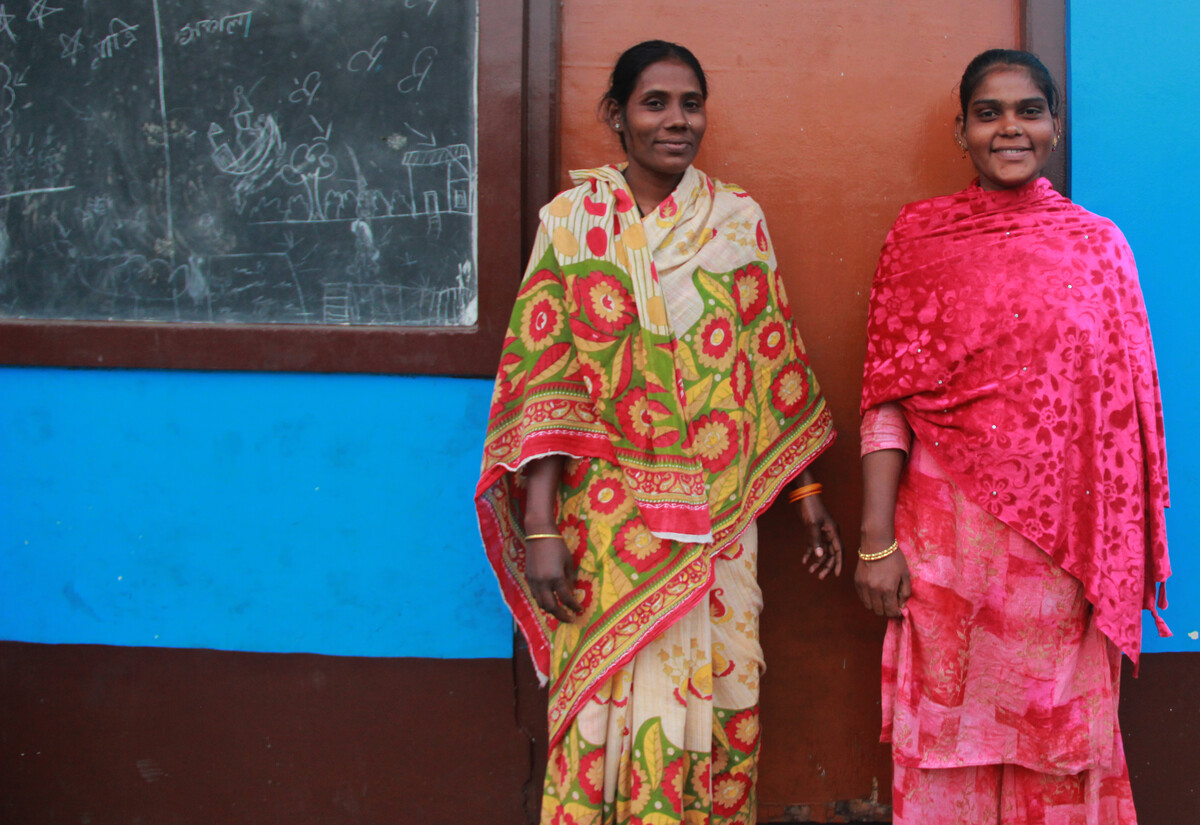
The International Planned Parenthood Federation - South Asia Region, welcomes the Indian Supreme Court's landmark judgment affirming menstrual health as an integral part of the right to life and dignity under Article 21 of the Indian Constitution. Observing that the lack of access to safe and affordable menstrual hygiene management (MHM) measures can lead to absenteeism, school dropouts, and exclusion, the apex court directed states to ensure every school provides sanitary napkins with functional gender-segregated toilets and water facilities. We celebrate the Court’s decision on gender-responsive curricula on menstruation, puberty and other health concerns being incorporated in schools, and educators being trained and sensitized to support menstruating students. “This judgment presents a significant opportunity to challenge period poverty in India. It is a crucial step towards gender justice and puts dignity of people of menstruate at the centre. However, it must extend beyond schools to reach every person who menstruates: at workplaces, to rural communities, trans men, persons with disabilities and other marginalized groups. As such, the directive on gender-responsive curricula should be strengthened through the integration of age-appropriate, inclusive Comprehensive Sexuality Education (CSE)”, says Dr Kalpana Apte, Director-General of the Family Planning Association of India (FPA India), IPPF’s Member Association in India. FPA India reaches out to young people with information, counselling and youth friendly sexual and reproductive health (SRH) services, including information on menstrual health and hygiene. “We work with young people to ensure menstruation is understood as a biological process rather than a source of shame or exclusion”, adds Dr Apte. Across South Asia, menstruation remains stigmatized. From the persistence of Chhaupadi practices in Nepal that banish menstruating women to isolated huts, to the menstrual health crisis in garment factories in Bangladesh, menstrual stigma and the lack of menstrual hygiene management facilities is a common thread. “India's Supreme Court has now provided a powerful legal framework that can inspire and inform advocacy efforts throughout the region. By recognising menstrual health as a matter of dignity, privacy and bodily autonomy, the judgement opens space for future conversations on sexual and reproductive health and rights across the life course” adds Tomoko Fukuda, Regional Director (Interim), IPPF South Asia Region.
news_item
| 05 February 2026
Statement on Landmark Judgement Affirming Menstrual Health as a Fundamental Right in India
The International Planned Parenthood Federation - South Asia Region, welcomes the Indian Supreme Court's landmark judgment affirming menstrual health as an integral part of the right to life and dignity under Article 21 of the Indian Constitution. Observing that the lack of access to safe and affordable menstrual hygiene management (MHM) measures can lead to absenteeism, school dropouts, and exclusion, the apex court directed states to ensure every school provides sanitary napkins with functional gender-segregated toilets and water facilities. We celebrate the Court’s decision on gender-responsive curricula on menstruation, puberty and other health concerns being incorporated in schools, and educators being trained and sensitized to support menstruating students. “This judgment presents a significant opportunity to challenge period poverty in India. It is a crucial step towards gender justice and puts dignity of people of menstruate at the centre. However, it must extend beyond schools to reach every person who menstruates: at workplaces, to rural communities, trans men, persons with disabilities and other marginalized groups. As such, the directive on gender-responsive curricula should be strengthened through the integration of age-appropriate, inclusive Comprehensive Sexuality Education (CSE)”, says Dr Kalpana Apte, Director-General of the Family Planning Association of India (FPA India), IPPF’s Member Association in India. FPA India reaches out to young people with information, counselling and youth friendly sexual and reproductive health (SRH) services, including information on menstrual health and hygiene. “We work with young people to ensure menstruation is understood as a biological process rather than a source of shame or exclusion”, adds Dr Apte. Across South Asia, menstruation remains stigmatized. From the persistence of Chhaupadi practices in Nepal that banish menstruating women to isolated huts, to the menstrual health crisis in garment factories in Bangladesh, menstrual stigma and the lack of menstrual hygiene management facilities is a common thread. “India's Supreme Court has now provided a powerful legal framework that can inspire and inform advocacy efforts throughout the region. By recognising menstrual health as a matter of dignity, privacy and bodily autonomy, the judgement opens space for future conversations on sexual and reproductive health and rights across the life course” adds Tomoko Fukuda, Regional Director (Interim), IPPF South Asia Region.
news item
| 05 February 2026
Statement on Landmark Judgement Affirming Menstrual Health as a Fundamental Right in India
The International Planned Parenthood Federation - South Asia Region, welcomes the Indian Supreme Court's landmark judgment affirming menstrual health as an integral part of the right to life and dignity under Article 21 of the Indian Constitution. Observing that the lack of access to safe and affordable menstrual hygiene management (MHM) measures can lead to absenteeism, school dropouts, and exclusion, the apex court directed states to ensure every school provides sanitary napkins with functional gender-segregated toilets and water facilities. We celebrate the Court’s decision on gender-responsive curricula on menstruation, puberty and other health concerns being incorporated in schools, and educators being trained and sensitized to support menstruating students. “This judgment presents a significant opportunity to challenge period poverty in India. It is a crucial step towards gender justice and puts dignity of people of menstruate at the centre. However, it must extend beyond schools to reach every person who menstruates: at workplaces, to rural communities, trans men, persons with disabilities and other marginalized groups. As such, the directive on gender-responsive curricula should be strengthened through the integration of age-appropriate, inclusive Comprehensive Sexuality Education (CSE)”, says Dr Kalpana Apte, Director-General of the Family Planning Association of India (FPA India), IPPF’s Member Association in India. FPA India reaches out to young people with information, counselling and youth friendly sexual and reproductive health (SRH) services, including information on menstrual health and hygiene. “We work with young people to ensure menstruation is understood as a biological process rather than a source of shame or exclusion”, adds Dr Apte. Across South Asia, menstruation remains stigmatized. From the persistence of Chhaupadi practices in Nepal that banish menstruating women to isolated huts, to the menstrual health crisis in garment factories in Bangladesh, menstrual stigma and the lack of menstrual hygiene management facilities is a common thread. “India's Supreme Court has now provided a powerful legal framework that can inspire and inform advocacy efforts throughout the region. By recognising menstrual health as a matter of dignity, privacy and bodily autonomy, the judgement opens space for future conversations on sexual and reproductive health and rights across the life course” adds Tomoko Fukuda, Regional Director (Interim), IPPF South Asia Region.
news_item
| 05 February 2026
Statement on Landmark Judgement Affirming Menstrual Health as a Fundamental Right in India
The International Planned Parenthood Federation - South Asia Region, welcomes the Indian Supreme Court's landmark judgment affirming menstrual health as an integral part of the right to life and dignity under Article 21 of the Indian Constitution. Observing that the lack of access to safe and affordable menstrual hygiene management (MHM) measures can lead to absenteeism, school dropouts, and exclusion, the apex court directed states to ensure every school provides sanitary napkins with functional gender-segregated toilets and water facilities. We celebrate the Court’s decision on gender-responsive curricula on menstruation, puberty and other health concerns being incorporated in schools, and educators being trained and sensitized to support menstruating students. “This judgment presents a significant opportunity to challenge period poverty in India. It is a crucial step towards gender justice and puts dignity of people of menstruate at the centre. However, it must extend beyond schools to reach every person who menstruates: at workplaces, to rural communities, trans men, persons with disabilities and other marginalized groups. As such, the directive on gender-responsive curricula should be strengthened through the integration of age-appropriate, inclusive Comprehensive Sexuality Education (CSE)”, says Dr Kalpana Apte, Director-General of the Family Planning Association of India (FPA India), IPPF’s Member Association in India. FPA India reaches out to young people with information, counselling and youth friendly sexual and reproductive health (SRH) services, including information on menstrual health and hygiene. “We work with young people to ensure menstruation is understood as a biological process rather than a source of shame or exclusion”, adds Dr Apte. Across South Asia, menstruation remains stigmatized. From the persistence of Chhaupadi practices in Nepal that banish menstruating women to isolated huts, to the menstrual health crisis in garment factories in Bangladesh, menstrual stigma and the lack of menstrual hygiene management facilities is a common thread. “India's Supreme Court has now provided a powerful legal framework that can inspire and inform advocacy efforts throughout the region. By recognising menstrual health as a matter of dignity, privacy and bodily autonomy, the judgement opens space for future conversations on sexual and reproductive health and rights across the life course” adds Tomoko Fukuda, Regional Director (Interim), IPPF South Asia Region.
