



Articles about India

19 March 2026
India’s Proposed Trans Bill Undermines Right to Self-Determination, Threatens Fundamental Human Rights of Transgender Persons
The International Planned Parenthood Federation is deeply concerned by the proposed amendments to the Transgender Persons (Protection of Rights) Amendment Bill, 2026, recently introduced in the Lok Sabha, the lower house of the Indian Parliament. Reports indicate that the amendments may remove the recognition of self-perceived gender identity and introduce more restrictive mechanisms for determining who is recognised under the law. These changes risk undermining the principle of self-determination, in this case a person’s right to determine their own gender identity. Self-determination is a cornerstone of dignity, bodily autonomy, and human rights, as affirmed by the NALSA v. Union of India judgement. By shifting recognition of gender identity away from individuals and toward medical and administrative authorities, the proposed amendments will reinforce medical gatekeeping, stigma, and exclusion. “Self-determination is not a procedural formality. It determines whether trans and gender-diverse groups can safely exist, access care, and be recognized in their daily lives. The proposed amendments erase entire parts of our communities, particularly transmasculine and gender-diverse people who already face immense structural exclusion. When the State places barriers between people and their identities, it pushes communities further away from essential healthcare and support systems” says Silvester Merchant, Community Engagement and Partnerships Lead, IPPF South Asia Region.

05 February 2026
Statement on Landmark Judgement Affirming Menstrual Health as a Fundamental Right in India
The International Planned Parenthood Federation - South Asia Region, welcomes the Indian Supreme Court's landmark judgment affirming menstrual health as an integral part of the right to life and dignity under Article 21 of the Indian Constitution. Observing that the lack of access to safe and affordable menstrual hygiene management (MHM) measures can lead to absenteeism, school dropouts, and exclusion, the apex court directed states to ensure every school provides sanitary napkins with functional gender-segregated toilets and water facilities. We celebrate the Court’s decision on gender-responsive curricula on menstruation, puberty and other health concerns being incorporated in schools, and educators being trained and sensitized to support menstruating students. “This judgment presents a significant opportunity to challenge period poverty in India. It is a crucial step towards gender justice and puts dignity of people of menstruate at the centre. However, it must extend beyond schools to reach every person who menstruates: at workplaces, to rural communities, trans men, persons with disabilities and other marginalized groups. As such, the directive on gender-responsive curricula should be strengthened through the integration of age-appropriate, inclusive Comprehensive Sexuality Education (CSE)”, says Dr Kalpana Apte, Director-General of the Family Planning Association of India (FPA India), IPPF’s Member Association in India. FPA India reaches out to young people with information, counselling and youth friendly sexual and reproductive health (SRH) services, including information on menstrual health and hygiene. “We work with young people to ensure menstruation is understood as a biological process rather than a source of shame or exclusion”, adds Dr Apte. Across South Asia, menstruation remains stigmatized. From the persistence of Chhaupadi practices in Nepal that banish menstruating women to isolated huts, to the menstrual health crisis in garment factories in Bangladesh, menstrual stigma and the lack of menstrual hygiene management facilities is a common thread. “India's Supreme Court has now provided a powerful legal framework that can inspire and inform advocacy efforts throughout the region. By recognising menstrual health as a matter of dignity, privacy and bodily autonomy, the judgement opens space for future conversations on sexual and reproductive health and rights across the life course” adds Tomoko Fukuda, Regional Director (Interim), IPPF South Asia Region.

19 June 2025
Gendered & Sexual Violence in Conflict: Why We Must Prioritise Sexual and Reproductive Health Services in Crises
Manipur: Ethnic Conflict Marked by Targeted Sexual Violence In July 2023 harrowing footage emerged from the northeast Indian state of Manipur: two Kuki women paraded naked through the streets before being raped by members of the majority Meitei community. The incident, which took place in May 2023, captured the brutal truth about sexual violence in conflict – how women's bodies become battlegrounds and are punished to impose silence and exact “revenge” on entire communities. The violence that erupted in Manipur in May 2023 stems from deep-rooted tensions over ethnic identity and land rights between the majority ethnic Meitei community and the minority hill-dwelling Kuki-Zo tribal groups. Following a Manipur High Court order directing the state government to consider extending the Scheduled Tribe (ST) status to the Meiteis, an affirmative action that would increase the community’s constitutional protections, violence broke out between the two groups over concerns about Kuki-Zo groups losing their land rights. As per reports, more than 250 people have been killed, and over 60,000 people displaced since the civil war erupted in May 2023. There have been reports of multiple incidents of armed Meitei mobs specifically targeting Kuki women during the escalating conflict, with disturbing accounts of sexual violence, including rape and murder. Sexual and Gendered Violence in Conflict: From Manipur to Afghanistan to Gaza What is happening in Manipur mirrors broader regional patterns across South Asia—from increased sexual and gender-based violence in Afghanistan, to sexual violence against Tamil women by security forces. Across the globe, presently in Gaza and Sudan, systematic sexual violence is being used as a weapon for ethnic cleansing and military occupation. The 2007 “Women’s Sexual and Reproductive Health and Rights in Conflict Situations” Issue by the Asian-Pacific Resource & Research Centre for Women (ARROW) notes that gendered violence that surges during conflict often reinforces patriarchal ideologies, reasserting control over women’s mobility, sexuality and fertility. The International Planned Parenthood Federation (IPPF) recognises that the survivors of conflict-related sexual violence (CRSV) also face stigma, exclusion, and lack of access to emergency sexual and reproductive health services even after the immediate conflict has ended. During conflict, health systems collapse and women and girls’ access to contraception; safe abortion services and other sexual and reproductive health services, such as HIV and STI testing and prevention, is not prioritised. For vulnerable communities, especially the LGBTI+ community, who can’t access inclusive and stigma-free services even in peace, conflict increases the propensity of sexual and gendered violence that they face. They may also face rejection from within their community and excluded from camps. We believe all survivors of sexual and gendered violence in conflict deserve services that are timely, stigma-free and inclusive based on their needs.

24 April 2025
The IPPF South Asia Region Advocates for SRHR for All at the World Health Summit Regional Meeting 2025
April 25, 2025, New Delhi, India: The International Planned Parenthood Federation – South Asia Region (IPPF-SAR) is hosting a panel discussion at the 2025 World Health Summit Regional Meeting in New Delhi on April 25, 2025. The session, titled “No Health Equity Without Universal Access to Sexual Reproductive Health Rights and Justice”, will convene regional experts, advocates, and activists to address the stark inequalities in access to sexual and reproductive health care in South Asia. 1 in 4 maternal deaths worldwide occur in South Asia. Unsafe abortions alone contribute to 13% of maternal mortality in the region, often resulting from restrictive colonial-era laws and systemic discrimination. The panel will explore the urgent need for policy reform, human rights-based approaches, and inclusive health care systems that serve diverse marginalized communities including women with disabilities, transgender people, youth, and those affected by humanitarian crises. “We are hoping to highlight the fundamental link between health equity and access to sexual and reproductive health care, emphasizing investment in marginalized communities and transformation of public policy to uphold rights. We are calling on national leadership and civil society partners to come together in achieving Universal Health Coverage (UHC) inclusive of SRHRJ – despite growing opposition threatening essential services.,” said Tomoko Fukuda, Regional Director of IPPF South Asia Region who will also chair the panel. The panel will explore a range of critical issues from abortion access disparities and human rights frameworks to challenges faced by transgender individuals and women with disabilities in accessing SRHR services. They will further deliberate on a critical question - “What should feminists, advocates, community leaders and policy makers do to ensure universal access to SRHRJ?” The session will be chaired by Tomoko Fukuda, Regional Director of IPPF South Asia, and moderated by Dr. Harjyot Khosa, Regional External Relations Director at IPPF South Asia. The panel will feature Dr. Kalpana Apte, Director General of the Family Planning Association of India; Dr. Suchitra Dalvie, Coordinator of the Asia Safe Abortion Partnership; Prabina Bajracharya, Regional Director for Asia at the Centre for Reproductive Rights; Abhina Aher, CEO of the Tweet Foundation; and Smitha Sadasivan, Senior Advisor at the Disability Rights India Foundation. Media representatives are invited to attend and engage with these influential voices as they discuss critical regional priorities and pathways for the future. This panel is part of a broader WHS Regional Meeting commitment to inclusive, just, and sustainable health systems. About the IPPF: IPPF is a global healthcare provider and a leading advocate of sexual and reproductive health and rights (SRHR) for all. Led by a courageous and determined group of women, IPPF was founded in 1952 at the Third International Planned Parenthood Conference. Today, we are a movement of 158 Member Associations and Collaborative Partners with a presence in over 153 countries. Our work is wide-ranging, including comprehensive sex education, provision of contraceptive, safe abortion, and maternal care and responding to humanitarian crises. We pride ourselves on being local through our members and global through our network. At the heart of our mission is the provision of – and advocacy in support of – integrated healthcare to anyone who needs it regardless of race, gender, sex, income, and crucially no matter how remote. For further queries reach out to: Madhurima Mallik ([email protected]) Communications, Voice & Media Advisor IPPF South Asia Region
04 February 2025
Breast, Cervical, and Oral Cancer a Growing Concern – FPA India Calls for Awareness
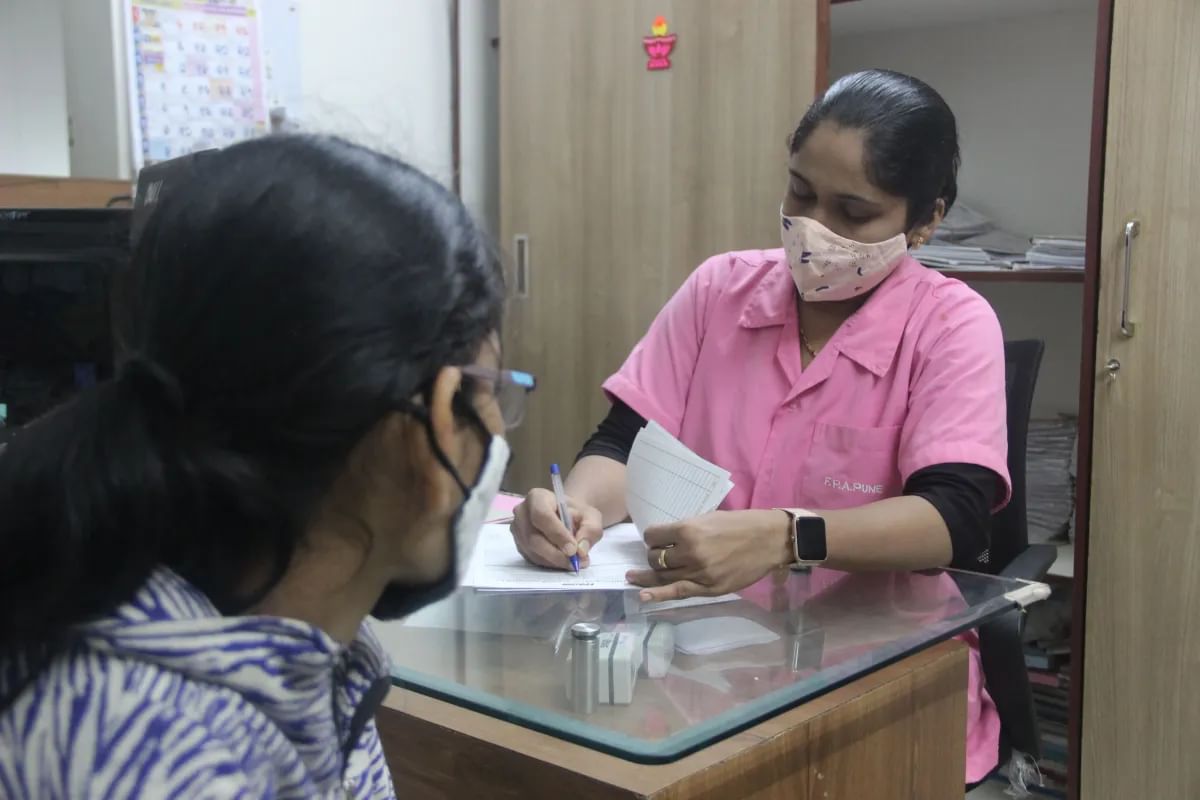
February 4, 2025 – Mumbai, India: On the occasion of World Cancer Day, the Family Planning Association of India (FPA India) is highlighting the alarming incidence of common cancers in the country and calling for urgent action to improve awareness, screening, and early detection. Breast, oral cavity, and cervical cancers remain the most prevalent, accounting for approximately 34% of all cancer cases in India, making them a public health priority. "The numbers are significant, and the need for collective and immediate action is critical," said Dr. Kalpana Apte, CEO, Family Planning Association of India (FPA India). "With breast, cervical, and oral cancers contributing to such a large proportion of cases, we must prioritize prevention, early detection, and equitable access to treatment." According to Globocan 2020, breast cancer is the most common cancer among women in India, constituting 13.5% of cases, with 178,361 new cases and 90,408 deaths reported in 2020. Cervical cancer is the second most common cancer in women, with around 1.24 lakh new cases and 77,348 deaths annually. Oral cancer, accounting for 10.3% of all cancers, saw 135,929 new cases and 75,290 deaths in the same year. Despite the implementation of population-based screening for cervical, breast, and oral cancers under the National Health Mission (NHM), uptake remains critically low. The NFHS-5 survey indicates that only around 1% of women and men in India have undergone screening for these cancers. "One of the biggest barriers to cancer prevention is the lack of awareness and access to screening services," added Dr Nozer Sheriar, Chairperson, Medical Advisory Panel, FPA India. "We need to tackle the fear and stigma associated with cancer screenings and make these services more accessible, especially for underserved communities." For over a decade, FPA India has been at the forefront of cervical and breast cancer awareness, screening, and care as part of its sexual and reproductive health services. Recently, oral cancer screening has been introduced in a phased manner. In 2024 alone, FPA India conducted 50,000 breast cancer screenings, 25,000 cervical cancer screenings, and 15,000 oral cancer screenings. Additionally, FPA India has launched a nationwide cervical cancer awareness and HPV vaccination campaign to protect young girls from this preventable disease. Since September 2023, 1,700 doses of HPV vaccines have been administered to girls aged 9-14 years. To expand outreach, FPA India has invested in digital technology to enhance cervical cancer screening, enabling trained mid-level providers to conduct screenings in low-resource settings. "By integrating digital technology and training mid-level providers, we are bridging critical gaps in screening services and reaching populations that lack access to traditional healthcare infrastructure," explained Dr. Rathnamala Desai, President, Family Planning Association of India (FPA India). FPA India welcomes the Government of India’s commitment to increasing investments in cancer management, as stated in the Union Budget 2025-2026. However, to effectively reduce the cancer burden, it is imperative to optimize resource allocation for preventive measures, including HPV vaccination, increase investments in screening technologies and early detection programs, and enhance capacity-building efforts to train service providers in screening, detection, and treatment. "We commend the government's focus on cancer management, but we also urge stronger investments in prevention and early detection," emphasized Dr. Kalpana Apte, CEO, Family Planning Association of India (FPA India). She further added, "Expanding HPV vaccination, investing in better screening technologies, and training healthcare providers can significantly reduce the burden of these common cancers in India." On this World Cancer Day, FPA India urges policymakers, healthcare providers, and communities to unite in the fight against cancer by prioritizing prevention, early detection, and equitable access to care. "The time to act is now. With collaborative efforts, we can save lives and create a future where cancer is no longer a death sentence but a preventable and treatable condition," concluded Dr. Rathnamala Desai, President, Family Planning Association of India (FPA India). About FPAI: In 1947, when India became independent, fertility was high with couples averaging six children. The population was burgeoning, public health facilities were minimal and life expectancy was low. Having too many children and too soon was becoming detrimental to women's health. A group of concerned women decided to address the issue. It resulted in the establishment of the Family Planning Association of India (FPA India) in 1949. FPA India was instrumental in advocating for family planning to be introduced in the country's first Five Year Plan (1952). Thus, India became the first country in the world to have a family planning programme. Currently, FPA India is a premier civil society organisation delivering essential health services focusing on sexual and reproductive health in over 18 states and union territories of India, in regions where key developmental indicators are poor and gender disparities are high. They include Bihar, Gujarat, Haryana, Jammu and Kashmir, Jharkhand, Karnataka, Kerala, Madhya Pradesh, Maharashtra, Nagaland, Odisha, Punjab, Rajasthan, Tamil Nadu, Telangana, Uttar Pradesh, West Bengal and the Union Territory of Delhi. FPA India works with corporates, businesses and bilateral donors to deliver health services and information, build capacities and advocate for causes that support the community’s development and well-being. FPAI is a member association of The International Planned Parenthood Federation. About IPPF: IPPF is a global healthcare provider and a leading advocate of sexual and reproductive health and rights (SRHR) for all. Led by a courageous and determined group of women, IPPF was founded in 1952 at the Third International Planned Parenthood Conference. Today, we are a movement of 158 Member Associations and Collaborative Partners with a presence in over 153 countries. Our work is wide-ranging, including comprehensive sex education, provision of contraceptive, safe abortion, and maternal care and responding to humanitarian crises. We pride ourselves on being local through our members and global through our network. At the heart of our mission is the provision of – and advocacy in support of – integrated healthcare to anyone who needs it regardless of race, gender, sex, income, and crucially no matter how remote. For further queries reach out to: Madhurima Mallik ([email protected]) Communications, Voice & Media Advisor IPPF South Asia Region
22 February 2024
Choice Over Challenge
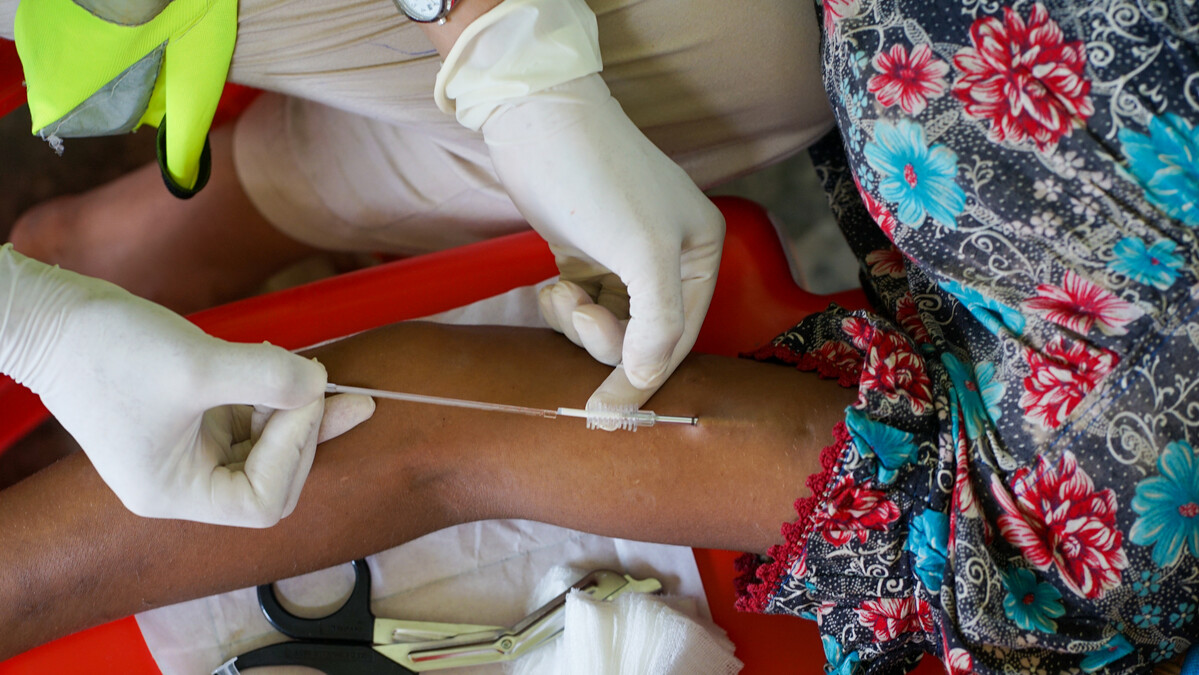
Evidence indicates that an estimated 163 million women worldwide face unmet needs for contraception, with the highest proportion of this occurring among women in Sub-Saharan Africa and South Asia. To address this pressing issue, it is imperative to prioritize the inclusion of a comprehensive range of contraceptive methods that cater to the diverse needs of women across various age groups. By ensuring a wide array of contraceptive options, we can significantly reduce the prevalence of unsatisfied demand and unmet needs among women globally. In a promising development, India recently announced the integration of contraceptive implants into its public health system, which was previously inaccessible and posed significant affordability challenges for Indian women. Monitoring data from clinics associated with the Family Planning Association of Nepal (FPAN, a member association of IPPF South Asia Region) indicates that a considerable number of Indian women, primarily from Bihar and Uttar Pradesh, cross the border seeking contraceptive implant services in Nepal’s Terai Region. However, beyond mere statistics, little is known about their experiences. Consequently, it is crucial to generate evidence by conducting an in-depth exploration of their cross-border journeys. To address this need, IPPF-South Asia Region and FPAN have collaboratively undertaken a cross-sectional exploratory multi-centric study adopting mixed-methods approach that combines quantitative and qualitative methodologies. Download the document to read the full study.

17 October 2023
Position Statement on the Indian Supreme Court’s Verdict on Same-Sex Marriage
We have meticulously followed the Indian Supreme Court’s verdict on legally recognizing same-sex marriages. We must express our profound disappointment at the missed opportunity to unequivocally affirm the rights and dignity of the LGBTI+ community in India. The court’s recognition of the LGBTI+ community’s rights is a positive development, Chief Justice D.Y. Chandrachud, known for his progressive judgment in the decriminalization of Section 377, which decriminalized homosexuality, asserted that it is erroneous to exclusively associate competent parenting with heterosexual couples, a sentiment we applaud. However, our appreciation is tempered by the court’s reluctance to extend legal recognition to same-sex marriages under the Special Marriage Act. The assertion by Justice Narasimha that the right to marry is statutory, not constitutional, and Justice Bhat’s concurrence that the Act should not be read down to include same-sex marriages, are positions we find deeply unsatisfactory. The verdict, though a mix of progressive and conservative stances, unfortunately, leans towards the latter, leaving the LGBTQIA+ community in a limbo of partial recognition and incomplete rights. The court’s decision to defer the issue to parliament underscores a hesitancy to assert judicial leadership in safeguarding minority rights. We are unwavering in our belief in the inherent dignity, rights, and equality of all individuals, irrespective of their sexual orientation. The verdict falls short of the decisive affirmation of rights that the LGBTI+ community in India deserves and is entitled to. Our advocacy for the comprehensive legal recognition and societal acceptance of same-sex relationships remains as steadfast as ever. We are committed to ensuring that every individual enjoys the freedom to love and be loved without discrimination. We urge the Indian parliament to rise above societal norms and prejudices and to legislate an inclusive, equitable, and just society where the rights and dignities of all citizens are upheld and protected. We are committed to continued and intensified advocacy until the full spectrum of rights is unconditionally extended to the LGBTQIA+ community in India. The journey towards equality, dignity, and justice continues.

15 June 2023
Towards a More Equal World
The South Asia region is witnessing winds of change. Growing efforts are culminating in ending prejudice and empowering all citizens. The International Planned Parenthood Federation’s (IPPF) South Asia Regional Office is working closely with its Member Associations to script powerful breakthroughs that exemplify the protection and advancement of rights for people with diverse sexual orientation, gender identity and/or expression, and sex characteristics (SOGIESC) – including lesbian, gay, bisexual, transgender, and intersex (LGBTI+) people, and others who do not conform to the sexual and gender norms of society. As a global service provider and advocate of sexual and reproductive health and rights (SRHR) for all, IPPF works with and for communities and individuals across countries. Its consistent efforts have advanced abortion rights; increased public support for sexuality education; countered the rolling back of SRHR in law and policy; and fought stereotypes linked to gender-based violence, amongst others. The invisible nature of LGBTI+ narratives and overall misinformation surrounding people of diverse SOGIESC has necessitated the urgency to find more structured, relevant, and long-lasting mechanisms. IPPF South Asia Regional Office published a Situation Assessment in 2021 covering its Member Associations and Regional team. Findings shed light on key contextual and structural challenges to adopting more diverse SOGIESC-inclusive approaches. This included a mapping of restrictive legal and socio-cultural environments that rendered it challenging to advocate with state actors for rights of people with diverse SOGIESC. In mid-2021, each Member Association in the South Asia Region was requested to organize focus group discussions with select members of the community. India, Nepal and Sri Lanka shared their initiatives which were being supported by the Movement Accelerator Platform, Global Affairs Canada, and others. These initiatives are now paving the way for a more equitable and balanced environment where equal opportunities exist and can be accessed. Read about these initiatives in this booklet.

30 March 2017
Japan Trust Fund
The Japan Trust Fund (JTF) represents a visionary partnership that began in 2000 between the Government of Japan and IPPF. Together, we invest in programmes that prioritize health equity, gender equality, and human security for all. Traditionally a driving force behind IPPF's efforts to support the integrated HIV prevention programmes of our Member Associations in Africa and Asia, JTF has adjusted to reflect changing global health priorities. We attach importance to universal access to sexual and reproductive health and rights - an essential contributor to universal health coverage and the global development goals. These projects have transformed the lives of people most vulnerable to HIV and high risk of maternal and child mortality. Equally, it ensures that as a donor, the GOJ’s response to HIV remains people-centred and contributes to human security.

07 February 2017
ACT!2030
IPPF collaborates with UNAIDS and The PACT to implement ACT!2030 (formerly ACT!2015), a youth-led social action initiative which engages young people in 12 countries with advocacy and accountability around the Sustainable Development Goals (SDGs) and other SRHR agreements/frameworks. ACT!2030 was initiated in 2013 as a way to increase youth participation in the negotiations leading up to the adoption of the post-2015 development agenda, and for two years focused on establishing alliances of youth-led and youth-serving organisations in 12 countries across the world. The project is currently in Phase 4, which runs until the end of 2017, and aims to establish youth-led, data-driven accountability mechanisms to ensure youth engagement with the implementation of the SDGs and build an evidence base for advocacy. Ultimately, Phase 4 of ACT!2030 seeks to identify, assess and address key policy barriers to young people’s sexual and reproductive data by using existing data, supplemented by youth-collected data, to advocate and lobby for policy change. This phase involves four main activities: indicator advocacy (persuading decision makers to adopt youth-friendly SRHR and HIV indicators, including on things like comprehensive sexuality education (CSE) and access to youth-friendly services, into national/global reporting mechanisms); evidence gathering (creating national databases on quality of and access to youth-friendly services and CSE); communications (transforming this data and evidence into communications pieces that can be used to advocacy and lobby at national and international level); and global exchange (facilitating global visibility to share advocacy and engagement learnings and increase youth-led accountability in global and regional processes). ACT!2030 is implemented by national alliances of youth organisations in 12 countries: Algeria, Bulgaria, India, Jamaica, Kenya, Mexico, Nigeria, Philippines, South Africa, Uganda, Zambia and Zimbabwe.
19 March 2026
India’s Proposed Trans Bill Undermines Right to Self-Determination, Threatens Fundamental Human Rights of Transgender Persons
The International Planned Parenthood Federation is deeply concerned by the proposed amendments to the Transgender Persons (Protection of Rights) Amendment Bill, 2026, recently introduced in the Lok Sabha, the lower house of the Indian Parliament. Reports indicate that the amendments may remove the recognition of self-perceived gender identity and introduce more restrictive mechanisms for determining who is recognised under the law. These changes risk undermining the principle of self-determination, in this case a person’s right to determine their own gender identity. Self-determination is a cornerstone of dignity, bodily autonomy, and human rights, as affirmed by the NALSA v. Union of India judgement. By shifting recognition of gender identity away from individuals and toward medical and administrative authorities, the proposed amendments will reinforce medical gatekeeping, stigma, and exclusion. “Self-determination is not a procedural formality. It determines whether trans and gender-diverse groups can safely exist, access care, and be recognized in their daily lives. The proposed amendments erase entire parts of our communities, particularly transmasculine and gender-diverse people who already face immense structural exclusion. When the State places barriers between people and their identities, it pushes communities further away from essential healthcare and support systems” says Silvester Merchant, Community Engagement and Partnerships Lead, IPPF South Asia Region.
05 February 2026
Statement on Landmark Judgement Affirming Menstrual Health as a Fundamental Right in India
The International Planned Parenthood Federation - South Asia Region, welcomes the Indian Supreme Court's landmark judgment affirming menstrual health as an integral part of the right to life and dignity under Article 21 of the Indian Constitution. Observing that the lack of access to safe and affordable menstrual hygiene management (MHM) measures can lead to absenteeism, school dropouts, and exclusion, the apex court directed states to ensure every school provides sanitary napkins with functional gender-segregated toilets and water facilities. We celebrate the Court’s decision on gender-responsive curricula on menstruation, puberty and other health concerns being incorporated in schools, and educators being trained and sensitized to support menstruating students. “This judgment presents a significant opportunity to challenge period poverty in India. It is a crucial step towards gender justice and puts dignity of people of menstruate at the centre. However, it must extend beyond schools to reach every person who menstruates: at workplaces, to rural communities, trans men, persons with disabilities and other marginalized groups. As such, the directive on gender-responsive curricula should be strengthened through the integration of age-appropriate, inclusive Comprehensive Sexuality Education (CSE)”, says Dr Kalpana Apte, Director-General of the Family Planning Association of India (FPA India), IPPF’s Member Association in India. FPA India reaches out to young people with information, counselling and youth friendly sexual and reproductive health (SRH) services, including information on menstrual health and hygiene. “We work with young people to ensure menstruation is understood as a biological process rather than a source of shame or exclusion”, adds Dr Apte. Across South Asia, menstruation remains stigmatized. From the persistence of Chhaupadi practices in Nepal that banish menstruating women to isolated huts, to the menstrual health crisis in garment factories in Bangladesh, menstrual stigma and the lack of menstrual hygiene management facilities is a common thread. “India's Supreme Court has now provided a powerful legal framework that can inspire and inform advocacy efforts throughout the region. By recognising menstrual health as a matter of dignity, privacy and bodily autonomy, the judgement opens space for future conversations on sexual and reproductive health and rights across the life course” adds Tomoko Fukuda, Regional Director (Interim), IPPF South Asia Region.
19 June 2025
Gendered & Sexual Violence in Conflict: Why We Must Prioritise Sexual and Reproductive Health Services in Crises
Manipur: Ethnic Conflict Marked by Targeted Sexual Violence In July 2023 harrowing footage emerged from the northeast Indian state of Manipur: two Kuki women paraded naked through the streets before being raped by members of the majority Meitei community. The incident, which took place in May 2023, captured the brutal truth about sexual violence in conflict – how women's bodies become battlegrounds and are punished to impose silence and exact “revenge” on entire communities. The violence that erupted in Manipur in May 2023 stems from deep-rooted tensions over ethnic identity and land rights between the majority ethnic Meitei community and the minority hill-dwelling Kuki-Zo tribal groups. Following a Manipur High Court order directing the state government to consider extending the Scheduled Tribe (ST) status to the Meiteis, an affirmative action that would increase the community’s constitutional protections, violence broke out between the two groups over concerns about Kuki-Zo groups losing their land rights. As per reports, more than 250 people have been killed, and over 60,000 people displaced since the civil war erupted in May 2023. There have been reports of multiple incidents of armed Meitei mobs specifically targeting Kuki women during the escalating conflict, with disturbing accounts of sexual violence, including rape and murder. Sexual and Gendered Violence in Conflict: From Manipur to Afghanistan to Gaza What is happening in Manipur mirrors broader regional patterns across South Asia—from increased sexual and gender-based violence in Afghanistan, to sexual violence against Tamil women by security forces. Across the globe, presently in Gaza and Sudan, systematic sexual violence is being used as a weapon for ethnic cleansing and military occupation. The 2007 “Women’s Sexual and Reproductive Health and Rights in Conflict Situations” Issue by the Asian-Pacific Resource & Research Centre for Women (ARROW) notes that gendered violence that surges during conflict often reinforces patriarchal ideologies, reasserting control over women’s mobility, sexuality and fertility. The International Planned Parenthood Federation (IPPF) recognises that the survivors of conflict-related sexual violence (CRSV) also face stigma, exclusion, and lack of access to emergency sexual and reproductive health services even after the immediate conflict has ended. During conflict, health systems collapse and women and girls’ access to contraception; safe abortion services and other sexual and reproductive health services, such as HIV and STI testing and prevention, is not prioritised. For vulnerable communities, especially the LGBTI+ community, who can’t access inclusive and stigma-free services even in peace, conflict increases the propensity of sexual and gendered violence that they face. They may also face rejection from within their community and excluded from camps. We believe all survivors of sexual and gendered violence in conflict deserve services that are timely, stigma-free and inclusive based on their needs.
24 April 2025
The IPPF South Asia Region Advocates for SRHR for All at the World Health Summit Regional Meeting 2025
April 25, 2025, New Delhi, India: The International Planned Parenthood Federation – South Asia Region (IPPF-SAR) is hosting a panel discussion at the 2025 World Health Summit Regional Meeting in New Delhi on April 25, 2025. The session, titled “No Health Equity Without Universal Access to Sexual Reproductive Health Rights and Justice”, will convene regional experts, advocates, and activists to address the stark inequalities in access to sexual and reproductive health care in South Asia. 1 in 4 maternal deaths worldwide occur in South Asia. Unsafe abortions alone contribute to 13% of maternal mortality in the region, often resulting from restrictive colonial-era laws and systemic discrimination. The panel will explore the urgent need for policy reform, human rights-based approaches, and inclusive health care systems that serve diverse marginalized communities including women with disabilities, transgender people, youth, and those affected by humanitarian crises. “We are hoping to highlight the fundamental link between health equity and access to sexual and reproductive health care, emphasizing investment in marginalized communities and transformation of public policy to uphold rights. We are calling on national leadership and civil society partners to come together in achieving Universal Health Coverage (UHC) inclusive of SRHRJ – despite growing opposition threatening essential services.,” said Tomoko Fukuda, Regional Director of IPPF South Asia Region who will also chair the panel. The panel will explore a range of critical issues from abortion access disparities and human rights frameworks to challenges faced by transgender individuals and women with disabilities in accessing SRHR services. They will further deliberate on a critical question - “What should feminists, advocates, community leaders and policy makers do to ensure universal access to SRHRJ?” The session will be chaired by Tomoko Fukuda, Regional Director of IPPF South Asia, and moderated by Dr. Harjyot Khosa, Regional External Relations Director at IPPF South Asia. The panel will feature Dr. Kalpana Apte, Director General of the Family Planning Association of India; Dr. Suchitra Dalvie, Coordinator of the Asia Safe Abortion Partnership; Prabina Bajracharya, Regional Director for Asia at the Centre for Reproductive Rights; Abhina Aher, CEO of the Tweet Foundation; and Smitha Sadasivan, Senior Advisor at the Disability Rights India Foundation. Media representatives are invited to attend and engage with these influential voices as they discuss critical regional priorities and pathways for the future. This panel is part of a broader WHS Regional Meeting commitment to inclusive, just, and sustainable health systems. About the IPPF: IPPF is a global healthcare provider and a leading advocate of sexual and reproductive health and rights (SRHR) for all. Led by a courageous and determined group of women, IPPF was founded in 1952 at the Third International Planned Parenthood Conference. Today, we are a movement of 158 Member Associations and Collaborative Partners with a presence in over 153 countries. Our work is wide-ranging, including comprehensive sex education, provision of contraceptive, safe abortion, and maternal care and responding to humanitarian crises. We pride ourselves on being local through our members and global through our network. At the heart of our mission is the provision of – and advocacy in support of – integrated healthcare to anyone who needs it regardless of race, gender, sex, income, and crucially no matter how remote. For further queries reach out to: Madhurima Mallik ([email protected]) Communications, Voice & Media Advisor IPPF South Asia Region
04 February 2025
Breast, Cervical, and Oral Cancer a Growing Concern – FPA India Calls for Awareness
February 4, 2025 – Mumbai, India: On the occasion of World Cancer Day, the Family Planning Association of India (FPA India) is highlighting the alarming incidence of common cancers in the country and calling for urgent action to improve awareness, screening, and early detection. Breast, oral cavity, and cervical cancers remain the most prevalent, accounting for approximately 34% of all cancer cases in India, making them a public health priority. "The numbers are significant, and the need for collective and immediate action is critical," said Dr. Kalpana Apte, CEO, Family Planning Association of India (FPA India). "With breast, cervical, and oral cancers contributing to such a large proportion of cases, we must prioritize prevention, early detection, and equitable access to treatment." According to Globocan 2020, breast cancer is the most common cancer among women in India, constituting 13.5% of cases, with 178,361 new cases and 90,408 deaths reported in 2020. Cervical cancer is the second most common cancer in women, with around 1.24 lakh new cases and 77,348 deaths annually. Oral cancer, accounting for 10.3% of all cancers, saw 135,929 new cases and 75,290 deaths in the same year. Despite the implementation of population-based screening for cervical, breast, and oral cancers under the National Health Mission (NHM), uptake remains critically low. The NFHS-5 survey indicates that only around 1% of women and men in India have undergone screening for these cancers. "One of the biggest barriers to cancer prevention is the lack of awareness and access to screening services," added Dr Nozer Sheriar, Chairperson, Medical Advisory Panel, FPA India. "We need to tackle the fear and stigma associated with cancer screenings and make these services more accessible, especially for underserved communities." For over a decade, FPA India has been at the forefront of cervical and breast cancer awareness, screening, and care as part of its sexual and reproductive health services. Recently, oral cancer screening has been introduced in a phased manner. In 2024 alone, FPA India conducted 50,000 breast cancer screenings, 25,000 cervical cancer screenings, and 15,000 oral cancer screenings. Additionally, FPA India has launched a nationwide cervical cancer awareness and HPV vaccination campaign to protect young girls from this preventable disease. Since September 2023, 1,700 doses of HPV vaccines have been administered to girls aged 9-14 years. To expand outreach, FPA India has invested in digital technology to enhance cervical cancer screening, enabling trained mid-level providers to conduct screenings in low-resource settings. "By integrating digital technology and training mid-level providers, we are bridging critical gaps in screening services and reaching populations that lack access to traditional healthcare infrastructure," explained Dr. Rathnamala Desai, President, Family Planning Association of India (FPA India). FPA India welcomes the Government of India’s commitment to increasing investments in cancer management, as stated in the Union Budget 2025-2026. However, to effectively reduce the cancer burden, it is imperative to optimize resource allocation for preventive measures, including HPV vaccination, increase investments in screening technologies and early detection programs, and enhance capacity-building efforts to train service providers in screening, detection, and treatment. "We commend the government's focus on cancer management, but we also urge stronger investments in prevention and early detection," emphasized Dr. Kalpana Apte, CEO, Family Planning Association of India (FPA India). She further added, "Expanding HPV vaccination, investing in better screening technologies, and training healthcare providers can significantly reduce the burden of these common cancers in India." On this World Cancer Day, FPA India urges policymakers, healthcare providers, and communities to unite in the fight against cancer by prioritizing prevention, early detection, and equitable access to care. "The time to act is now. With collaborative efforts, we can save lives and create a future where cancer is no longer a death sentence but a preventable and treatable condition," concluded Dr. Rathnamala Desai, President, Family Planning Association of India (FPA India). About FPAI: In 1947, when India became independent, fertility was high with couples averaging six children. The population was burgeoning, public health facilities were minimal and life expectancy was low. Having too many children and too soon was becoming detrimental to women's health. A group of concerned women decided to address the issue. It resulted in the establishment of the Family Planning Association of India (FPA India) in 1949. FPA India was instrumental in advocating for family planning to be introduced in the country's first Five Year Plan (1952). Thus, India became the first country in the world to have a family planning programme. Currently, FPA India is a premier civil society organisation delivering essential health services focusing on sexual and reproductive health in over 18 states and union territories of India, in regions where key developmental indicators are poor and gender disparities are high. They include Bihar, Gujarat, Haryana, Jammu and Kashmir, Jharkhand, Karnataka, Kerala, Madhya Pradesh, Maharashtra, Nagaland, Odisha, Punjab, Rajasthan, Tamil Nadu, Telangana, Uttar Pradesh, West Bengal and the Union Territory of Delhi. FPA India works with corporates, businesses and bilateral donors to deliver health services and information, build capacities and advocate for causes that support the community’s development and well-being. FPAI is a member association of The International Planned Parenthood Federation. About IPPF: IPPF is a global healthcare provider and a leading advocate of sexual and reproductive health and rights (SRHR) for all. Led by a courageous and determined group of women, IPPF was founded in 1952 at the Third International Planned Parenthood Conference. Today, we are a movement of 158 Member Associations and Collaborative Partners with a presence in over 153 countries. Our work is wide-ranging, including comprehensive sex education, provision of contraceptive, safe abortion, and maternal care and responding to humanitarian crises. We pride ourselves on being local through our members and global through our network. At the heart of our mission is the provision of – and advocacy in support of – integrated healthcare to anyone who needs it regardless of race, gender, sex, income, and crucially no matter how remote. For further queries reach out to: Madhurima Mallik ([email protected]) Communications, Voice & Media Advisor IPPF South Asia Region
22 February 2024
Choice Over Challenge
Evidence indicates that an estimated 163 million women worldwide face unmet needs for contraception, with the highest proportion of this occurring among women in Sub-Saharan Africa and South Asia. To address this pressing issue, it is imperative to prioritize the inclusion of a comprehensive range of contraceptive methods that cater to the diverse needs of women across various age groups. By ensuring a wide array of contraceptive options, we can significantly reduce the prevalence of unsatisfied demand and unmet needs among women globally. In a promising development, India recently announced the integration of contraceptive implants into its public health system, which was previously inaccessible and posed significant affordability challenges for Indian women. Monitoring data from clinics associated with the Family Planning Association of Nepal (FPAN, a member association of IPPF South Asia Region) indicates that a considerable number of Indian women, primarily from Bihar and Uttar Pradesh, cross the border seeking contraceptive implant services in Nepal’s Terai Region. However, beyond mere statistics, little is known about their experiences. Consequently, it is crucial to generate evidence by conducting an in-depth exploration of their cross-border journeys. To address this need, IPPF-South Asia Region and FPAN have collaboratively undertaken a cross-sectional exploratory multi-centric study adopting mixed-methods approach that combines quantitative and qualitative methodologies. Download the document to read the full study.
17 October 2023
Position Statement on the Indian Supreme Court’s Verdict on Same-Sex Marriage
We have meticulously followed the Indian Supreme Court’s verdict on legally recognizing same-sex marriages. We must express our profound disappointment at the missed opportunity to unequivocally affirm the rights and dignity of the LGBTI+ community in India. The court’s recognition of the LGBTI+ community’s rights is a positive development, Chief Justice D.Y. Chandrachud, known for his progressive judgment in the decriminalization of Section 377, which decriminalized homosexuality, asserted that it is erroneous to exclusively associate competent parenting with heterosexual couples, a sentiment we applaud. However, our appreciation is tempered by the court’s reluctance to extend legal recognition to same-sex marriages under the Special Marriage Act. The assertion by Justice Narasimha that the right to marry is statutory, not constitutional, and Justice Bhat’s concurrence that the Act should not be read down to include same-sex marriages, are positions we find deeply unsatisfactory. The verdict, though a mix of progressive and conservative stances, unfortunately, leans towards the latter, leaving the LGBTQIA+ community in a limbo of partial recognition and incomplete rights. The court’s decision to defer the issue to parliament underscores a hesitancy to assert judicial leadership in safeguarding minority rights. We are unwavering in our belief in the inherent dignity, rights, and equality of all individuals, irrespective of their sexual orientation. The verdict falls short of the decisive affirmation of rights that the LGBTI+ community in India deserves and is entitled to. Our advocacy for the comprehensive legal recognition and societal acceptance of same-sex relationships remains as steadfast as ever. We are committed to ensuring that every individual enjoys the freedom to love and be loved without discrimination. We urge the Indian parliament to rise above societal norms and prejudices and to legislate an inclusive, equitable, and just society where the rights and dignities of all citizens are upheld and protected. We are committed to continued and intensified advocacy until the full spectrum of rights is unconditionally extended to the LGBTQIA+ community in India. The journey towards equality, dignity, and justice continues.
15 June 2023
Towards a More Equal World
The South Asia region is witnessing winds of change. Growing efforts are culminating in ending prejudice and empowering all citizens. The International Planned Parenthood Federation’s (IPPF) South Asia Regional Office is working closely with its Member Associations to script powerful breakthroughs that exemplify the protection and advancement of rights for people with diverse sexual orientation, gender identity and/or expression, and sex characteristics (SOGIESC) – including lesbian, gay, bisexual, transgender, and intersex (LGBTI+) people, and others who do not conform to the sexual and gender norms of society. As a global service provider and advocate of sexual and reproductive health and rights (SRHR) for all, IPPF works with and for communities and individuals across countries. Its consistent efforts have advanced abortion rights; increased public support for sexuality education; countered the rolling back of SRHR in law and policy; and fought stereotypes linked to gender-based violence, amongst others. The invisible nature of LGBTI+ narratives and overall misinformation surrounding people of diverse SOGIESC has necessitated the urgency to find more structured, relevant, and long-lasting mechanisms. IPPF South Asia Regional Office published a Situation Assessment in 2021 covering its Member Associations and Regional team. Findings shed light on key contextual and structural challenges to adopting more diverse SOGIESC-inclusive approaches. This included a mapping of restrictive legal and socio-cultural environments that rendered it challenging to advocate with state actors for rights of people with diverse SOGIESC. In mid-2021, each Member Association in the South Asia Region was requested to organize focus group discussions with select members of the community. India, Nepal and Sri Lanka shared their initiatives which were being supported by the Movement Accelerator Platform, Global Affairs Canada, and others. These initiatives are now paving the way for a more equitable and balanced environment where equal opportunities exist and can be accessed. Read about these initiatives in this booklet.
30 March 2017
Japan Trust Fund
The Japan Trust Fund (JTF) represents a visionary partnership that began in 2000 between the Government of Japan and IPPF. Together, we invest in programmes that prioritize health equity, gender equality, and human security for all. Traditionally a driving force behind IPPF's efforts to support the integrated HIV prevention programmes of our Member Associations in Africa and Asia, JTF has adjusted to reflect changing global health priorities. We attach importance to universal access to sexual and reproductive health and rights - an essential contributor to universal health coverage and the global development goals. These projects have transformed the lives of people most vulnerable to HIV and high risk of maternal and child mortality. Equally, it ensures that as a donor, the GOJ’s response to HIV remains people-centred and contributes to human security.
07 February 2017
ACT!2030
IPPF collaborates with UNAIDS and The PACT to implement ACT!2030 (formerly ACT!2015), a youth-led social action initiative which engages young people in 12 countries with advocacy and accountability around the Sustainable Development Goals (SDGs) and other SRHR agreements/frameworks. ACT!2030 was initiated in 2013 as a way to increase youth participation in the negotiations leading up to the adoption of the post-2015 development agenda, and for two years focused on establishing alliances of youth-led and youth-serving organisations in 12 countries across the world. The project is currently in Phase 4, which runs until the end of 2017, and aims to establish youth-led, data-driven accountability mechanisms to ensure youth engagement with the implementation of the SDGs and build an evidence base for advocacy. Ultimately, Phase 4 of ACT!2030 seeks to identify, assess and address key policy barriers to young people’s sexual and reproductive data by using existing data, supplemented by youth-collected data, to advocate and lobby for policy change. This phase involves four main activities: indicator advocacy (persuading decision makers to adopt youth-friendly SRHR and HIV indicators, including on things like comprehensive sexuality education (CSE) and access to youth-friendly services, into national/global reporting mechanisms); evidence gathering (creating national databases on quality of and access to youth-friendly services and CSE); communications (transforming this data and evidence into communications pieces that can be used to advocacy and lobby at national and international level); and global exchange (facilitating global visibility to share advocacy and engagement learnings and increase youth-led accountability in global and regional processes). ACT!2030 is implemented by national alliances of youth organisations in 12 countries: Algeria, Bulgaria, India, Jamaica, Kenya, Mexico, Nigeria, Philippines, South Africa, Uganda, Zambia and Zimbabwe.